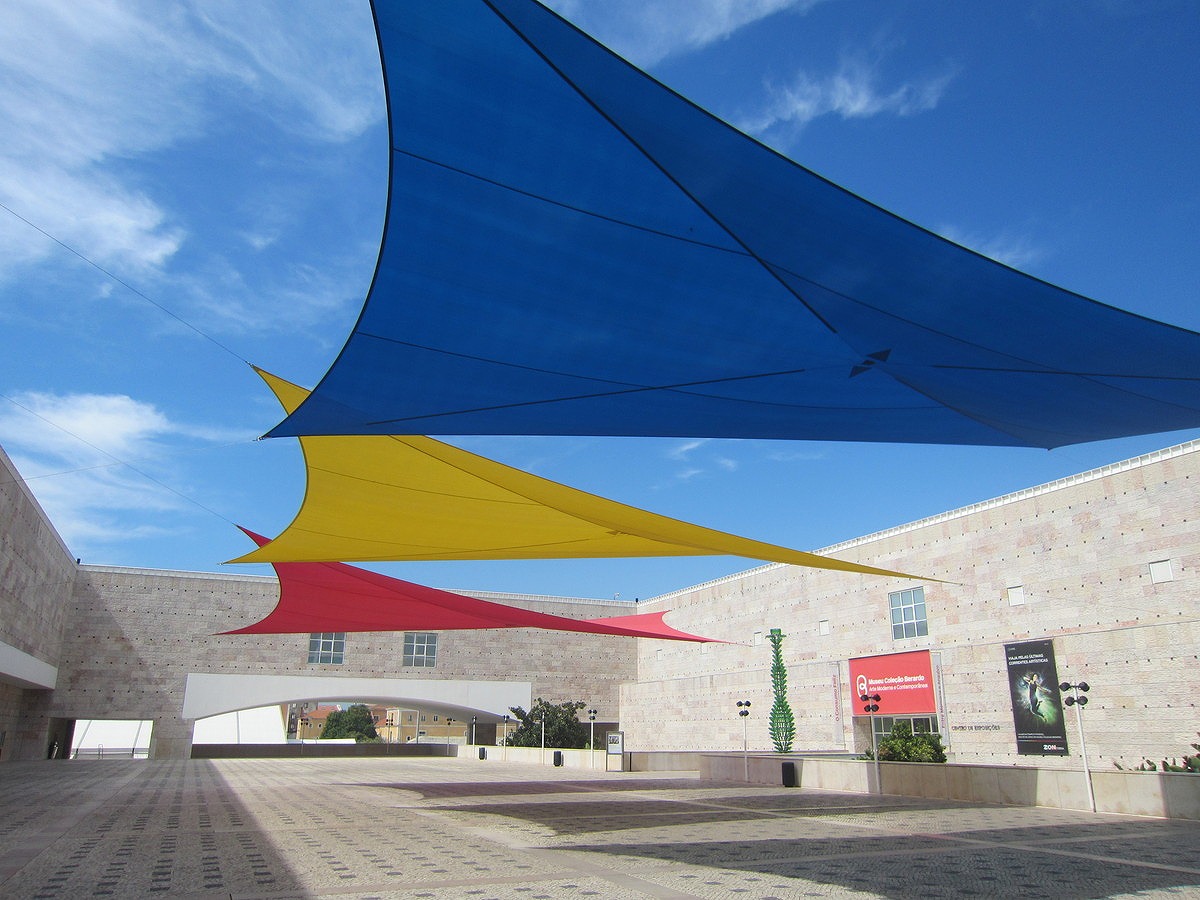
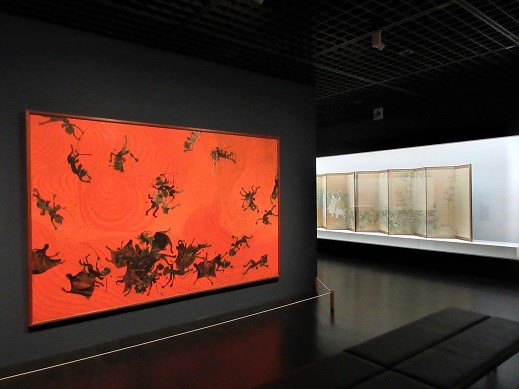
Los Angeles, USA. Discover a wide variety of art at the largest museum on the West Coast, and admire its newly built exterior.
When I thought of a contemporary art museum in Los Angeles, I always thought of MOCA (The Museum of Contemporary Art, Los Angeles). Every time I visited Los Angeles, I went to both MOCA and its branch, The Geffen Contemporary (The branch was often closed). I knew about the Los Angeles County Museum of Art (LACMA), but I did not visit it in the 1990s.
The reason I did not visit it was simple. Its name was the Los Angeles County Museum of Art. The name did not include the words “Modern” or “Contemporary.” Because of that, I assumed it focused on local art. I also thought it mainly displayed old European paintings.
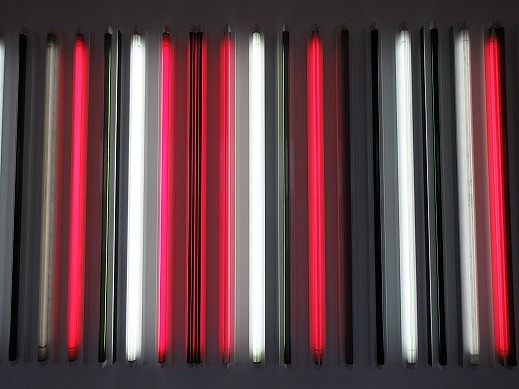
I first visited LACMA in the 2000s. I had some free time and was thinking about where to go. Then LACMA came to mind. That was when I realized the museum also had a large collection of modern and contemporary art. The museum has a large campus with several buildings. If you take your time and see everything, you could easily spend a whole day there.
LACMA began a major renovation in 2020. The museum demolished the four buildings on the east side of the campus. It then built a huge new building called the David Geffen Galleries, which opened on April 19, 2026.
The museum opened the new building to the public on May 4, 2026. By chance, I visited LACMA on that Monday. LACMA is open on Mondays. That is probably why many people visit it instead of other museums, which are often closed on Mondays. Even so, I expected it to be quiet because it was a Monday. However, the museum parking lot was already full, and I could not park there. Later, I learned that I had visited on the first day of the public opening. Then I understood why the museum had been so crowded.
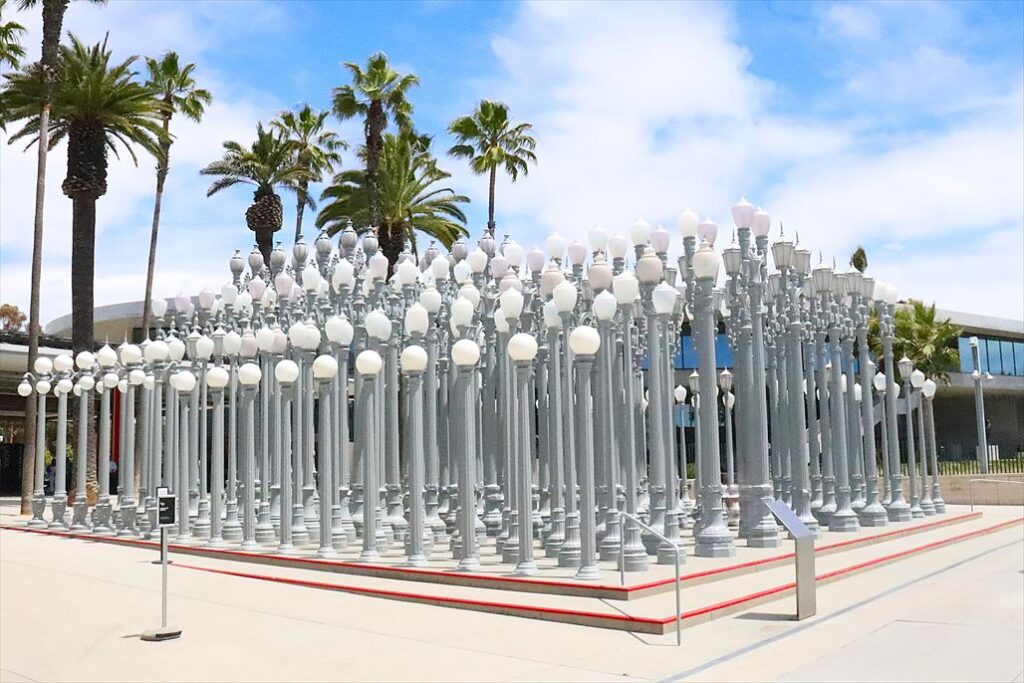
In front of the entrance stands Urban Light, the installation that has become a symbol of LACMA. Many people have probably seen it in the media.
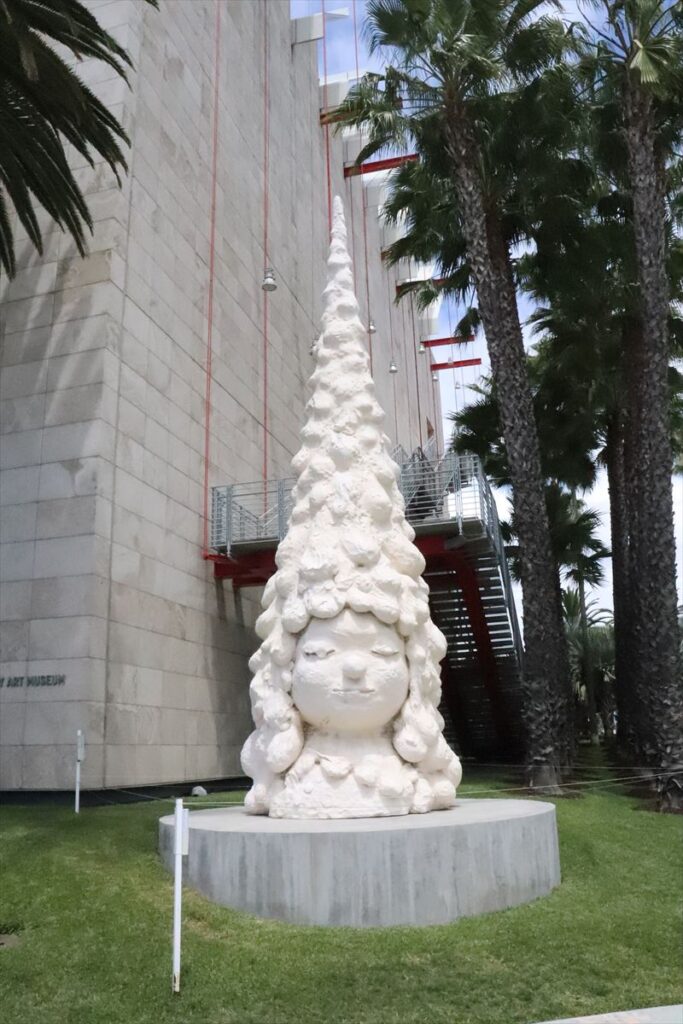
When I visited in 2026, I could not park in the museum’s parking lot. Instead, I parked in the basement of a building across from the entrance. As I walked across the crosswalk, I noticed Miss Forest, a sculpture by Yoshitomo Nara, on my left. The museum installed it there in 2020. I feel proud that the work of a Japanese artist stands in such a prominent place.
After entering the museum grounds, I bought a ticket at the ticket counter on the right side of the central plaza. The staff gave me a sticker, and I put it on my clothes. The museum does not have entrance gates. Instead, staff members check whether visitors are wearing the sticker before they enter each building.
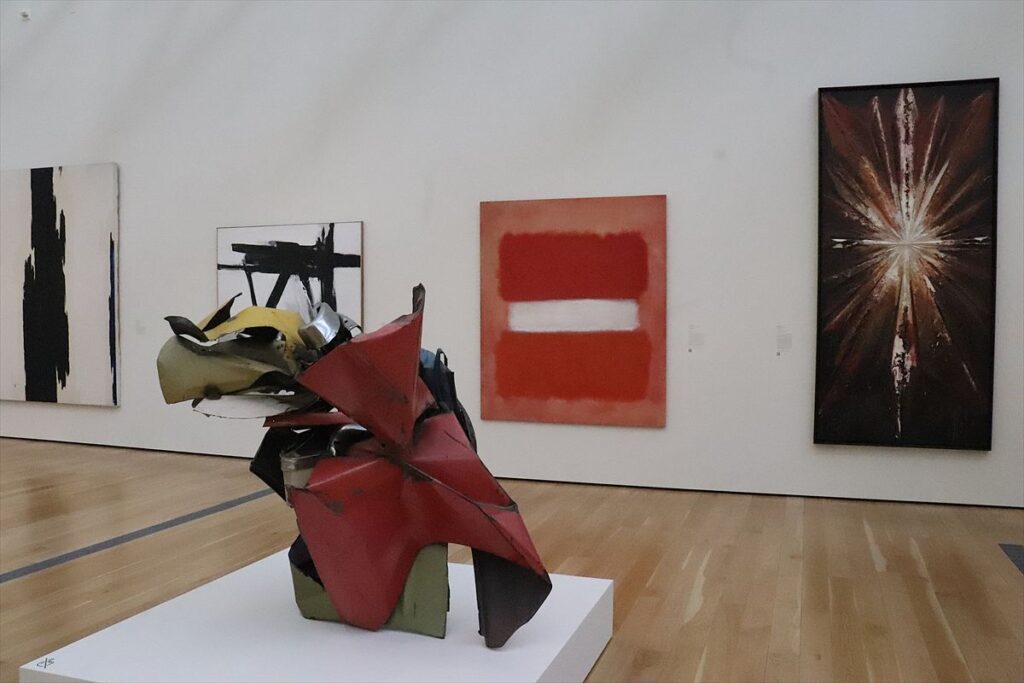
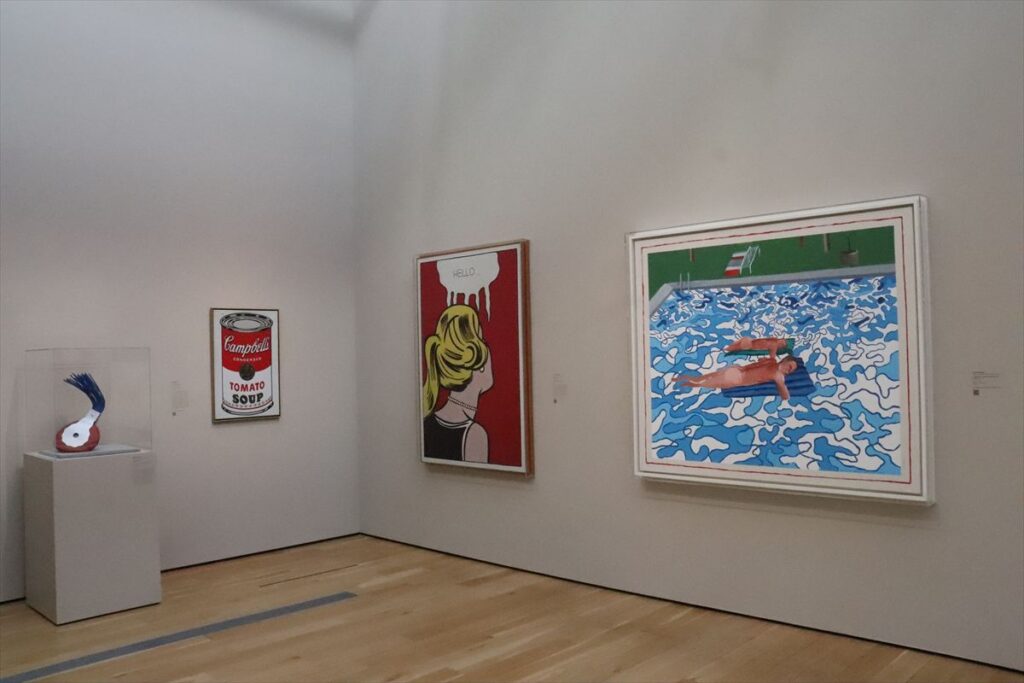
First, let me introduce the two older buildings on the west side of the campus. BCAM (Broad Contemporary Art Museum) is my personal favorite. It displays modern and contemporary art. When I visited in 2026, I noticed works by Picasso, Max Beckmann, Georgia O’Keeffe, Andy Warhol, and David Hockney. As you might expect, the museum also displayed works by Yayoi Kusama.
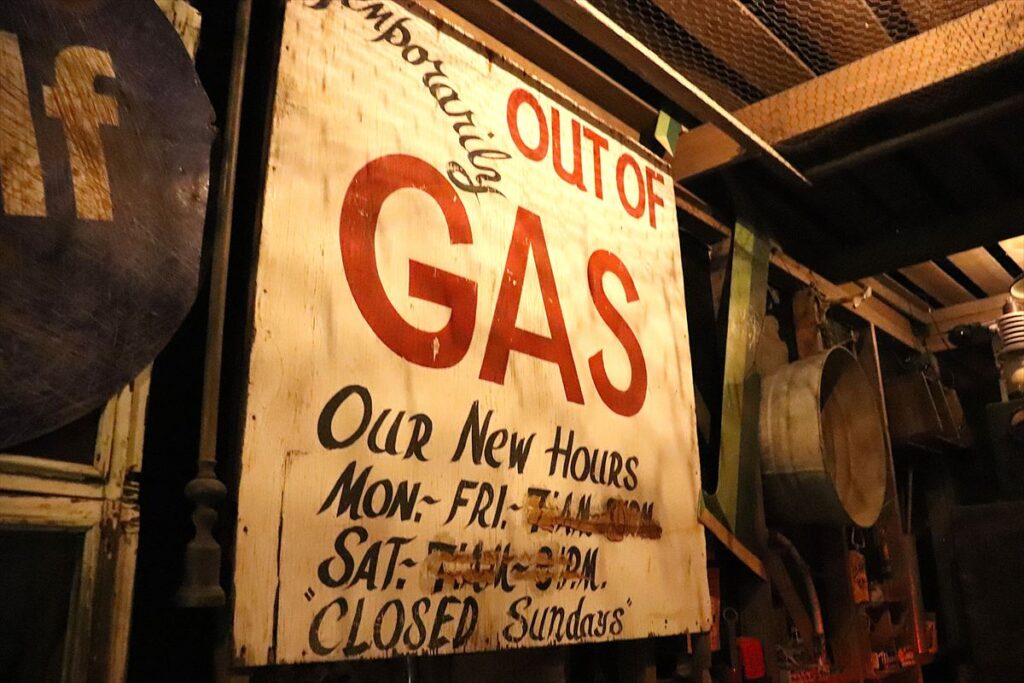
One work that caught my attention was The Garage by Michael C. McMillen. At first, I thought the old door against the wall was part of the artwork. Then I realized I could open the door and go inside. The inside has a wonderful atmosphere. If the museum is still displaying this work when you visit, I hope you will not miss it.
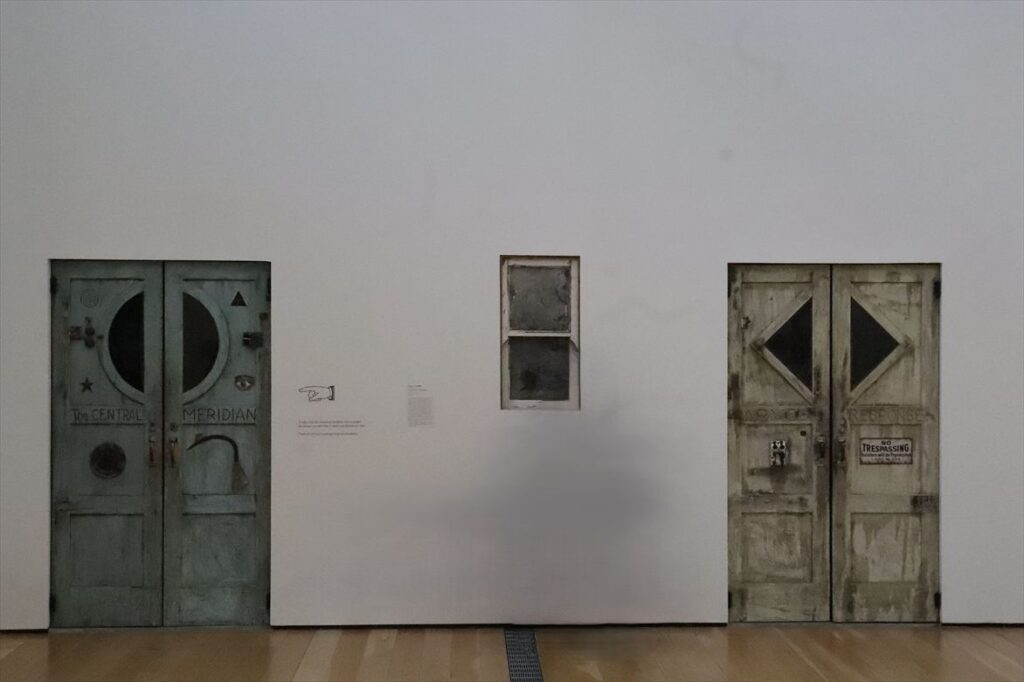
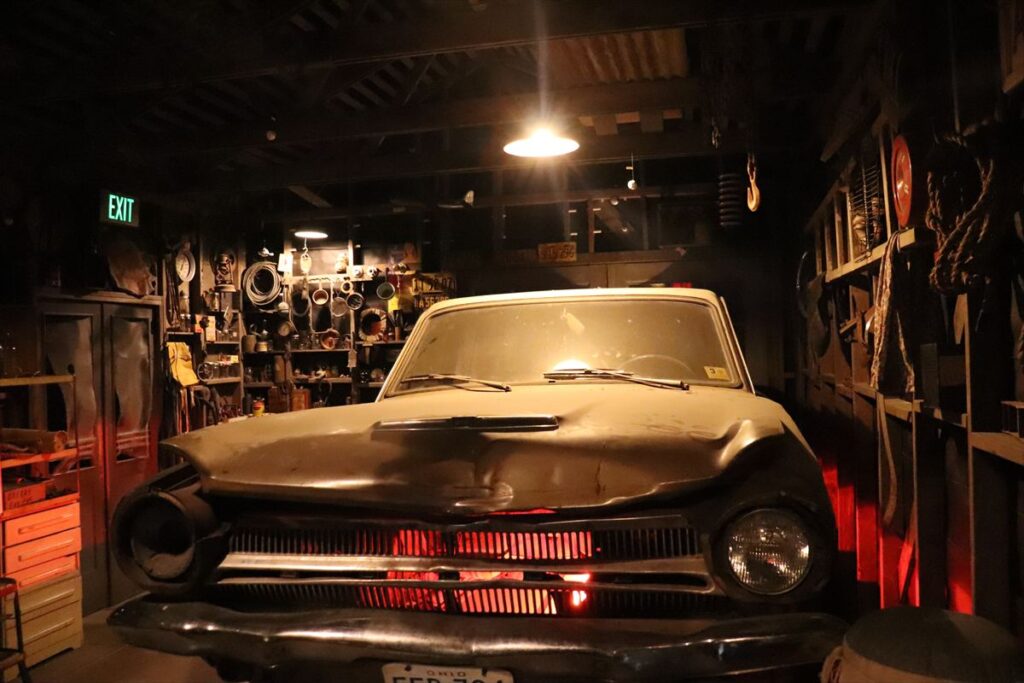
North of BCAM is the Resnick Pavilion. It feels more like a museum than an art gallery. When I visited in 2026, it was hosting a special exhibition about Buddhism.
Now, let me introduce the new David Geffen Galleries. The building has two floors, and its curved design stands out. The architect is the Swiss architect Peter Zumthor. He won the Pritzker Architecture Prize, often called the Nobel Prize of architecture. For art museums, he also designed the Kolumba Museum in Cologne, Germany. (I still remember that museum very well.)
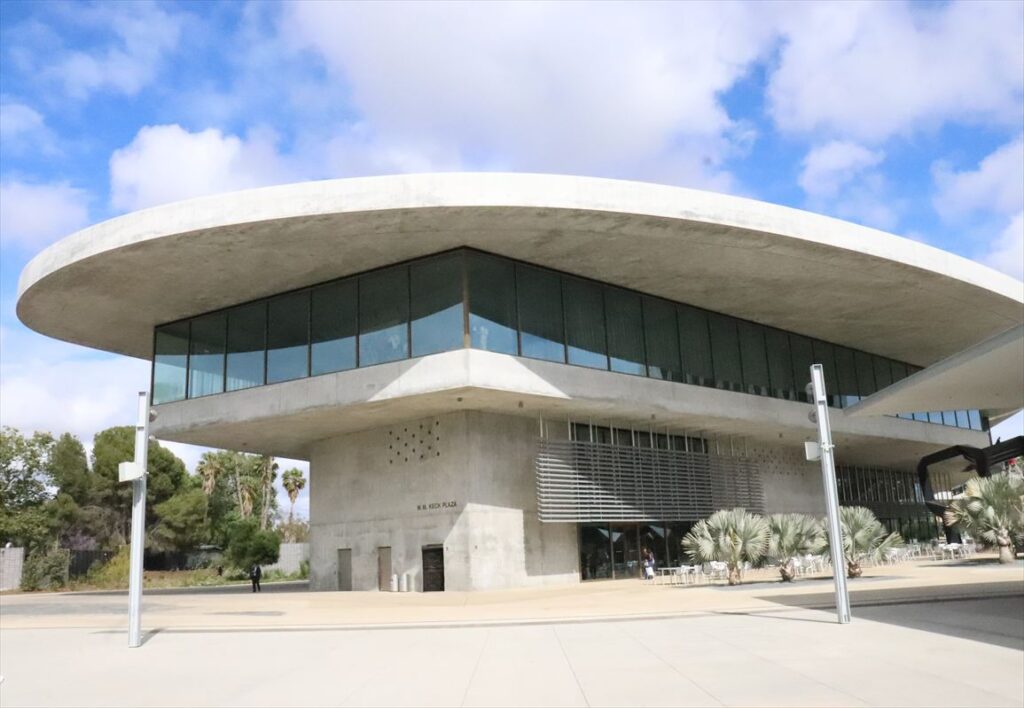
It is hard to describe the size because the long building has a curved shape. Roughly speaking, the exhibition space is about 40 meters wide. It continues for about 300 meters as it curves through the building. The exhibition floor is on the second level. The ceiling is about 10 meters high, while the exhibition rooms are about 5 to 6 meters high. You can reach the second level by stairs or elevator. There are no escalators.
The exhibition rooms are not divided into small sections. Instead, artworks are displayed in a large open space. The galleries display artworks and crafts from ancient times to the early modern period. However, the space feels more like a museum than an art gallery. There are also paintings, but they are mainly classical works. The exhibition is divided into four areas: the Pacific Ocean, the Indian Ocean, the Mediterranean Sea, and the Atlantic Ocean.
Among the Japanese items, I saw folding screens and ceramics on display. I think visitors who enjoy museums would appreciate this space. However, I visit art museums to see modern and contemporary art, so it was a little different from what I expected. Still, contemporary artworks were placed here and there throughout the space.
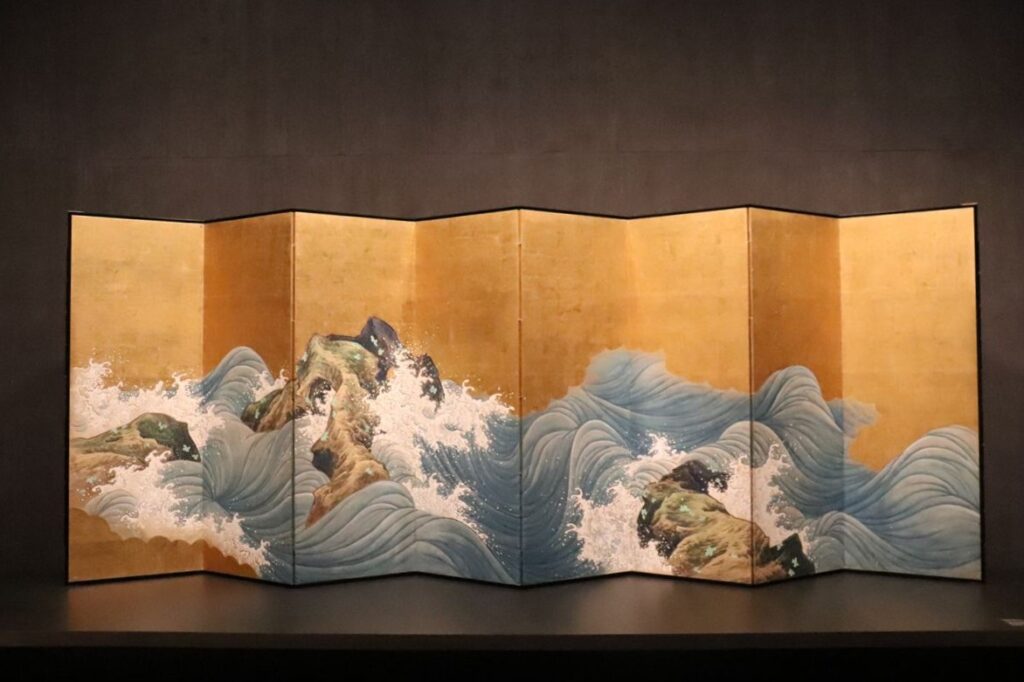
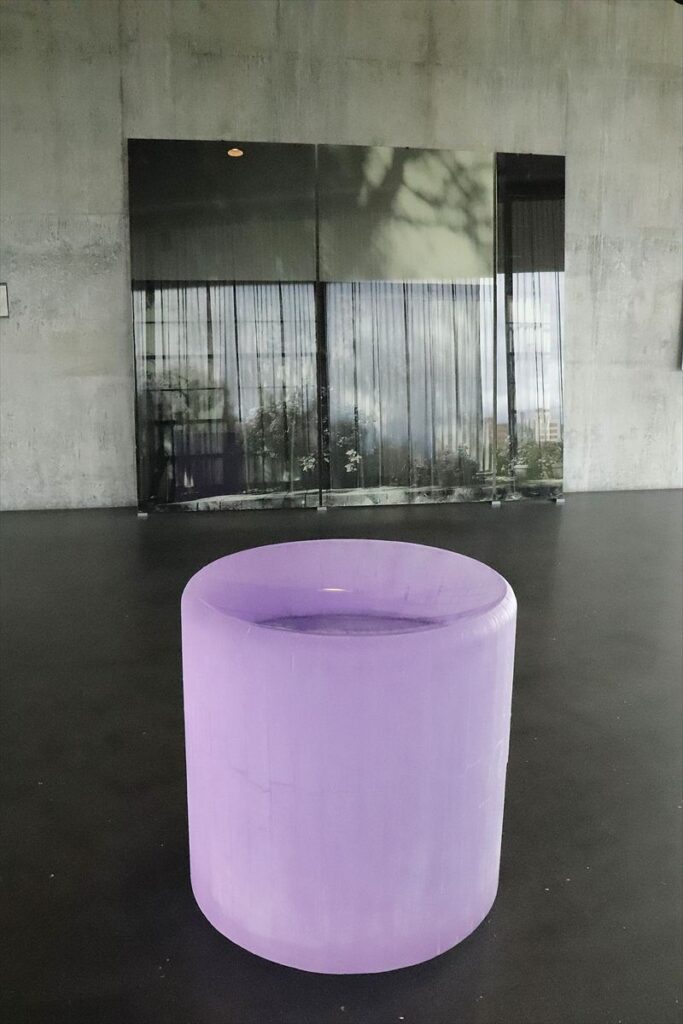
North of the David Geffen Galleries is the Pavilion for Japanese Art. During my visits to LACMA, including my visit in 2026, I have only found it open once. That was when I first visited in 2002. I was surprised to see such a rich collection of Japanese art, including haniwa figures, Jomon pottery, swords, and ukiyo-e prints.
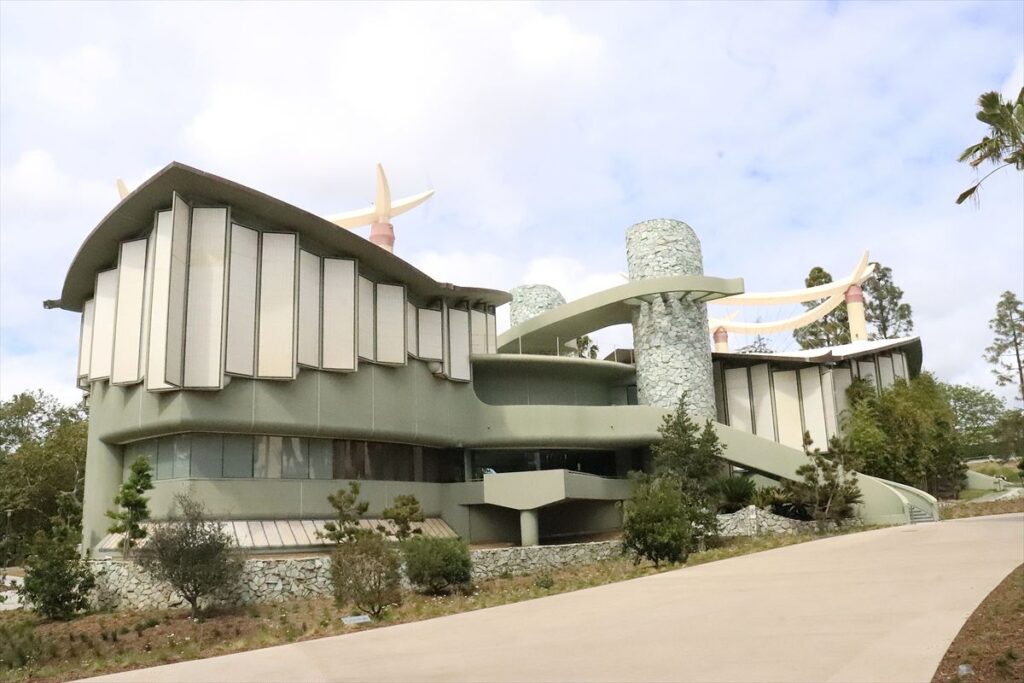
The collection is even more impressive than the Japanese art collection at the British Museum in London. The inside of the building is also memorable because visitors move through a spiral ramp. In fact, I have visited LACMA twice only to see this pavilion. When I found out that the pavilion was closed, I decided not to enter the museum. That is how much I want to visit this place again.
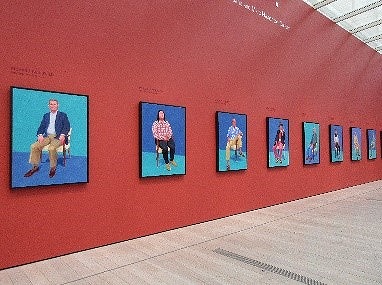
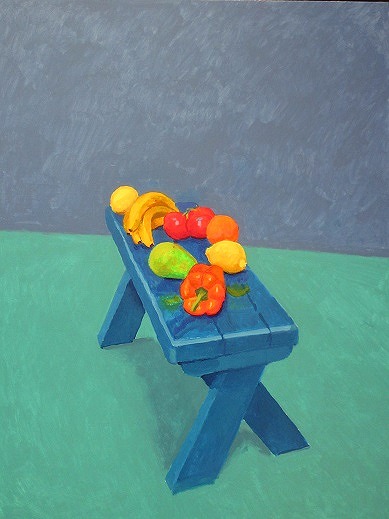
When I visited LACMA in 2018, BCAM, which I mentioned above, was hosting a special exhibition called David Hockney’s 82 Portraits & 1 Still Life. The exhibition featured 82 portraits of people he knew and one still life. I was reminded once again of Hockney’s excellent sense of art. At the same time, I felt a little envious of the museum’s ability to organize such a special exhibition. By the way, when this exhibition was held, David Hockney had his home and studio in the Hollywood Hills in Los Angeles.
I have visited this museum several times since 2002, but my visit in 2026 showed me a different LACMA from before. I am also looking forward to seeing how this museum will continue to change in the future.
Visied in 2002, 2014, 2018, 2019, 2026.
Basic Information
■ Name of Place:LACMA (Los Angeles County Museum of Art)
■ Address : 5905 Wilshire Blvd, Los Angeles, CA 90036, USA
■ Homepage:https://www.lacma.org/