■ Impact: ★★☆☆☆
■ Space: ★★★☆☆
■ Originality: ★★☆☆☆
In Minami-Aoyama, Tokyo, I entered the grounds and walked along a bamboo-lined path. Looking back, I noticed a tsukubai. It made me think of a roji, the path to a tea house.
This museum in Minami-Aoyama, Tokyo, specializes in Japanese art. It is not a contemporary art museum, but its unique architecture inspired me to write about it. The museum is best known for its National Treasure, Irises, a folding screen by Ogata Korin. Anyone who studies Japanese art history in Japan will come across this famous work from the Edo period.
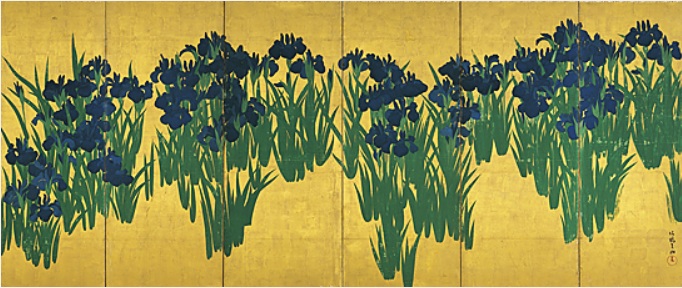
The museum opened in 1941, four years before the end of World War II. This makes it one of the few museums in Japan that began before the war ended. Its collection comes from the works gathered by businessman Nezu Kaichiro and includes Japanese and East Asian antiques, Buddhist paintings, sutras, ink paintings, ceramics, lacquerware, Chinese paintings, and Japanese swords.
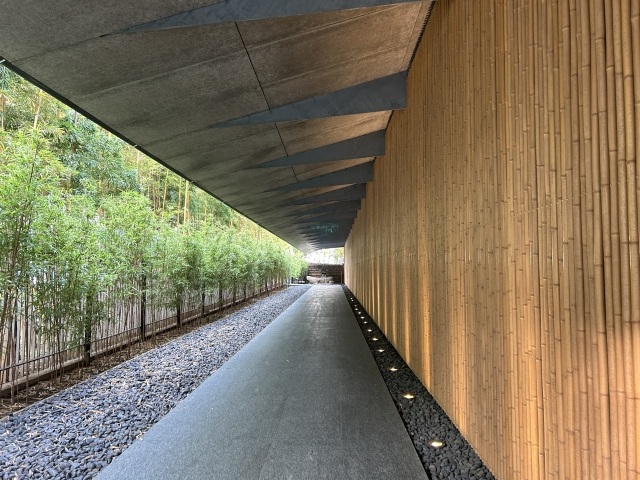
What impressed me most was the building itself. The view at the entrance is especially memorable. On the left stands the museum building, with bamboo stalks set into the wall. On the right, a row of bamboo lines the path. This walkway continues for about 40 meters. Many visitors miss it, but just inside the entrance on the left is a tsukubai, a stone basin filled with water.
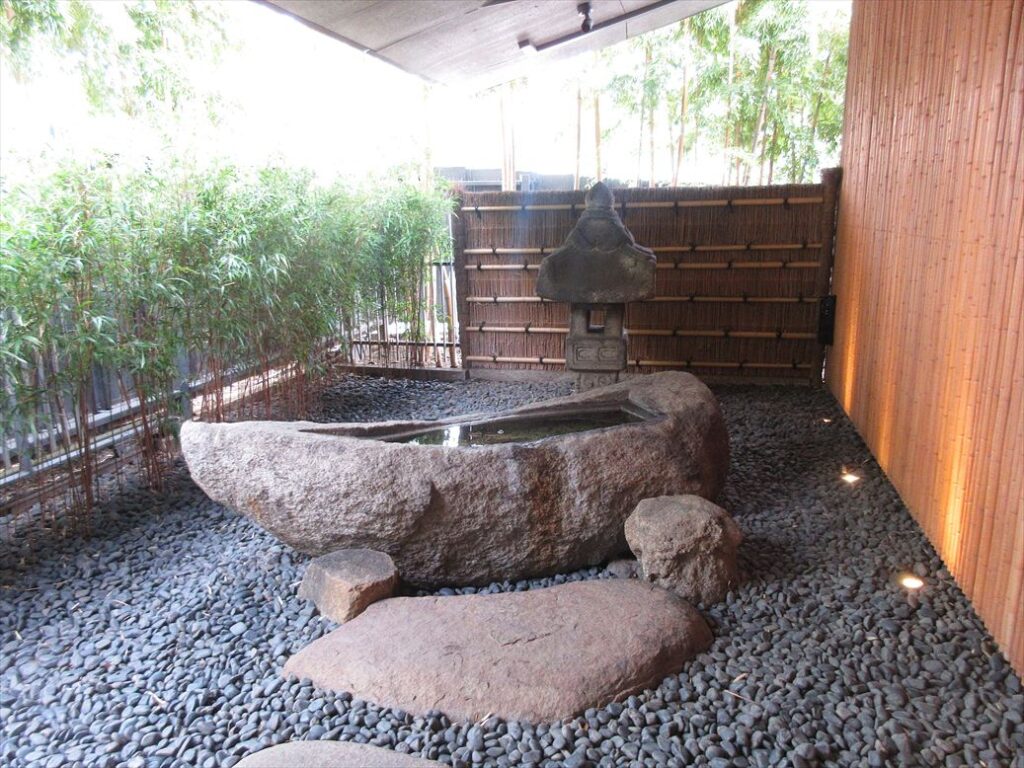
You may wonder who designed this building. The answer is Kengo Kuma. He is known for using natural materials in his architecture. According to the museum, this pathway was inspired by a roji, the garden path leading to a tea house. In the tea ceremony, guests walk through the roji to leave the outside world behind and prepare themselves for the experience ahead.
The interior has a calm and relaxing atmosphere. The museum has two floors and six galleries. Special exhibitions usually take place in Galleries 1 and 2 on the first floor. The galleries on the second floor often feature works related to the tea ceremony, creating a connection with the roji-inspired entrance path.
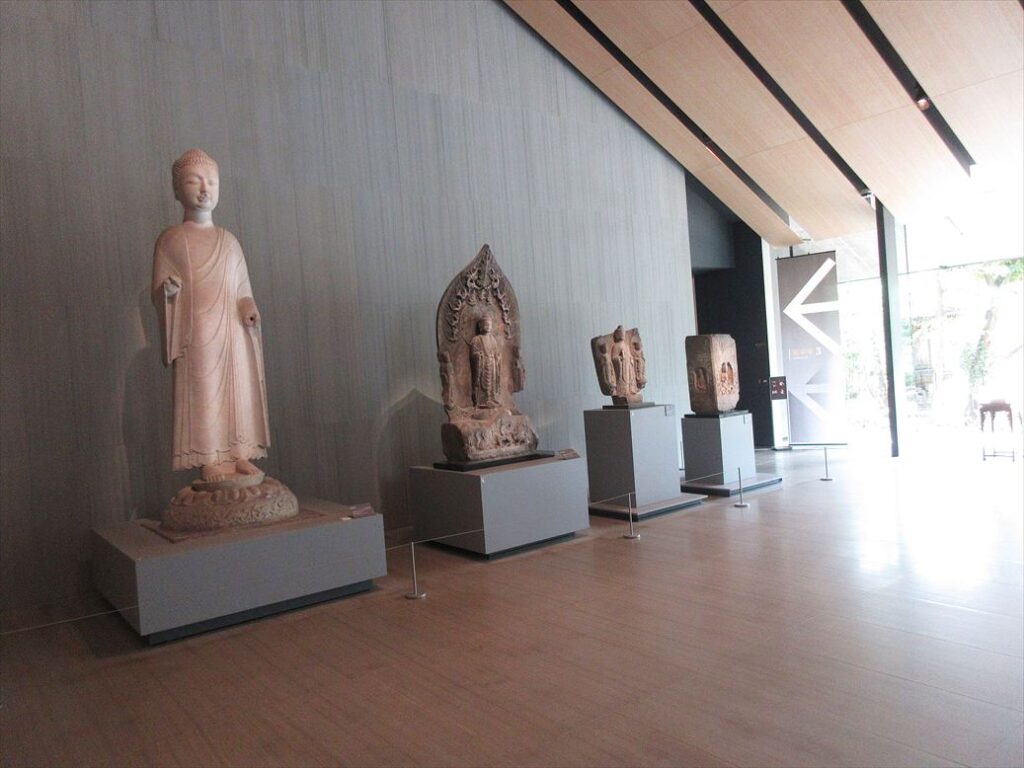
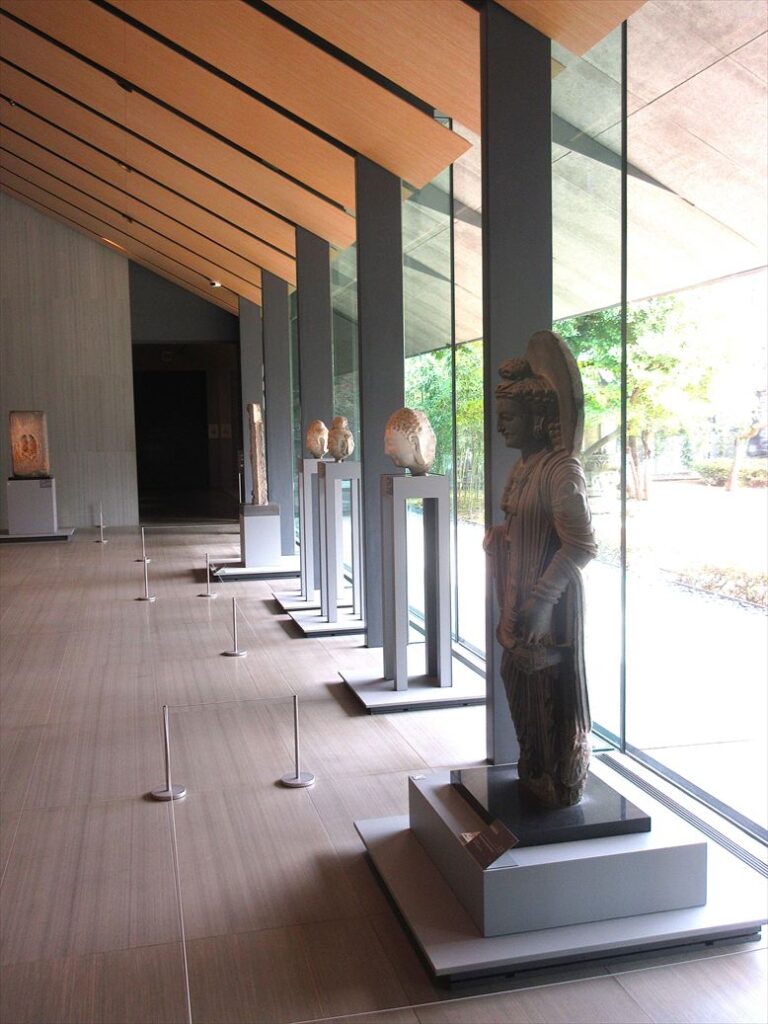
The lighting in every gallery is soft and subdued, creating a calm atmosphere. When Irises is on display, the museum can become crowded. Most of the time, however, I can enjoy the exhibits at a relaxed pace.
The museum has another highlight: its garden. It is much larger than you might expect and offers plenty of space to walk around. As I explored the grounds, I came across tea houses and historical objects from the museum’s collection. It was hard to believe that I was in the heart of Tokyo. The garden also features a pond and beds of irises. In April and May, the flowers bloom and create a scene that resembles Korin’s famous Irises screen.
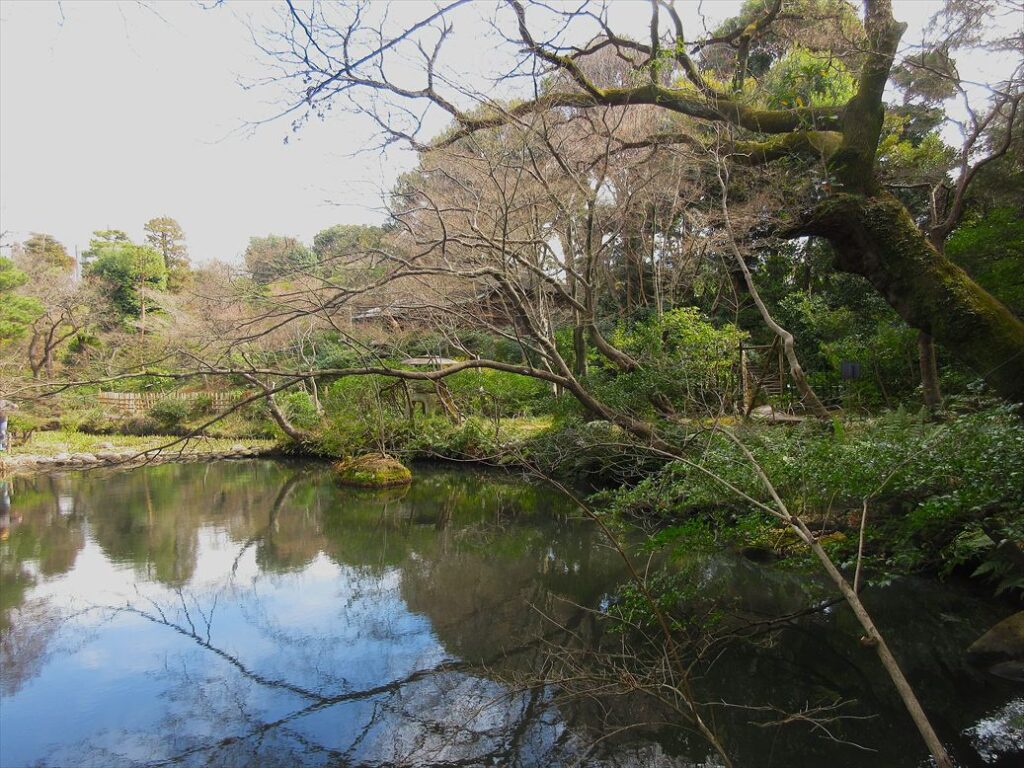
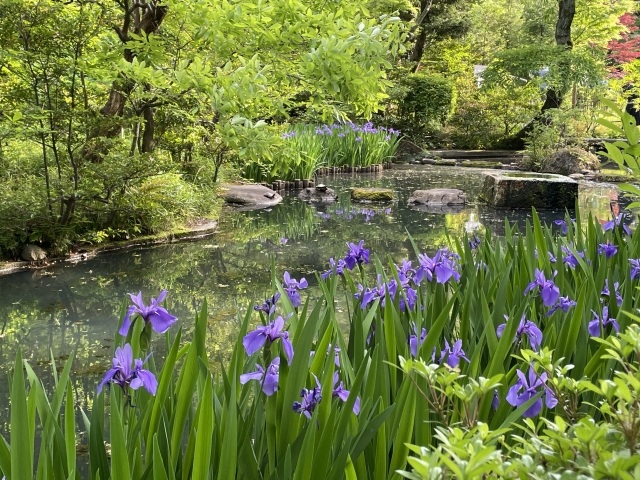
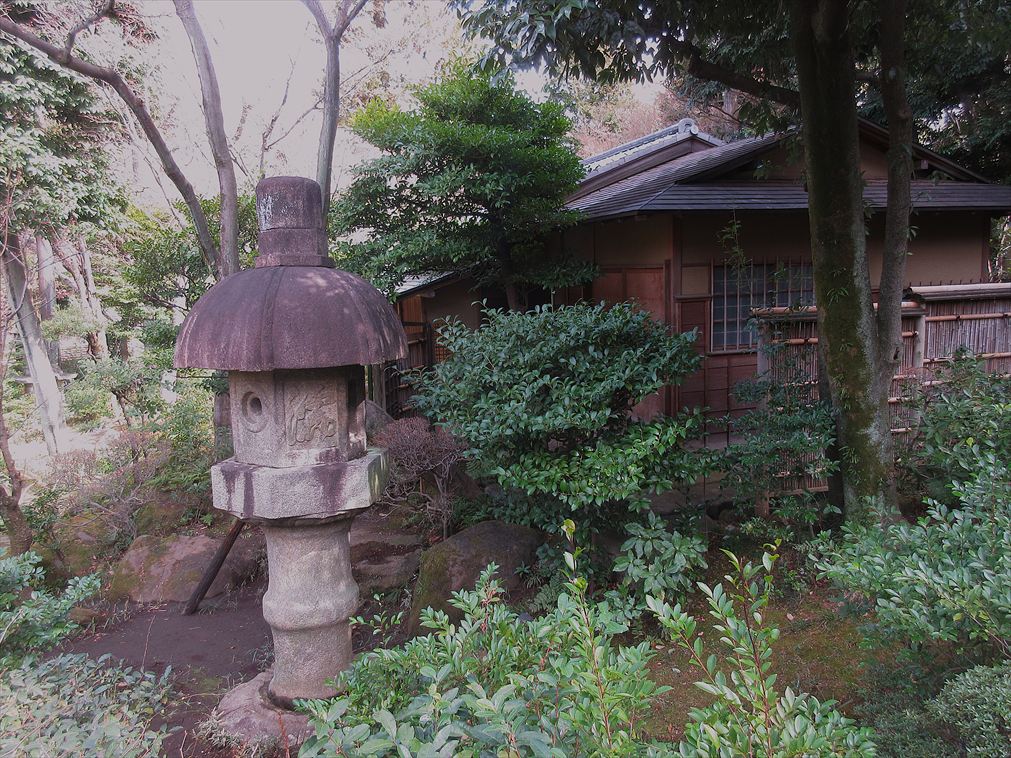
The garden was created as a private garden, so it may feel a little different from a traditional Japanese garden. Even in summer, however, I find it cool and pleasant. The garden also has Nezu Café, a relaxing space with wooden furniture and large windows overlooking the greenery. If you have time, I recommend stopping by.
Visited several times since 2016
Basic Information
■ Name : Nezu Museum
■ Address : 6-5-1 Minami-Aoyama, Minato City, Tokyo
■ Homepage : https://www.nezu-muse.or.jp/en/
■ Others
・Photography was not allowed inside the galleries. However, visitors could take photos in the public areas outside the galleries and in the museum garden.