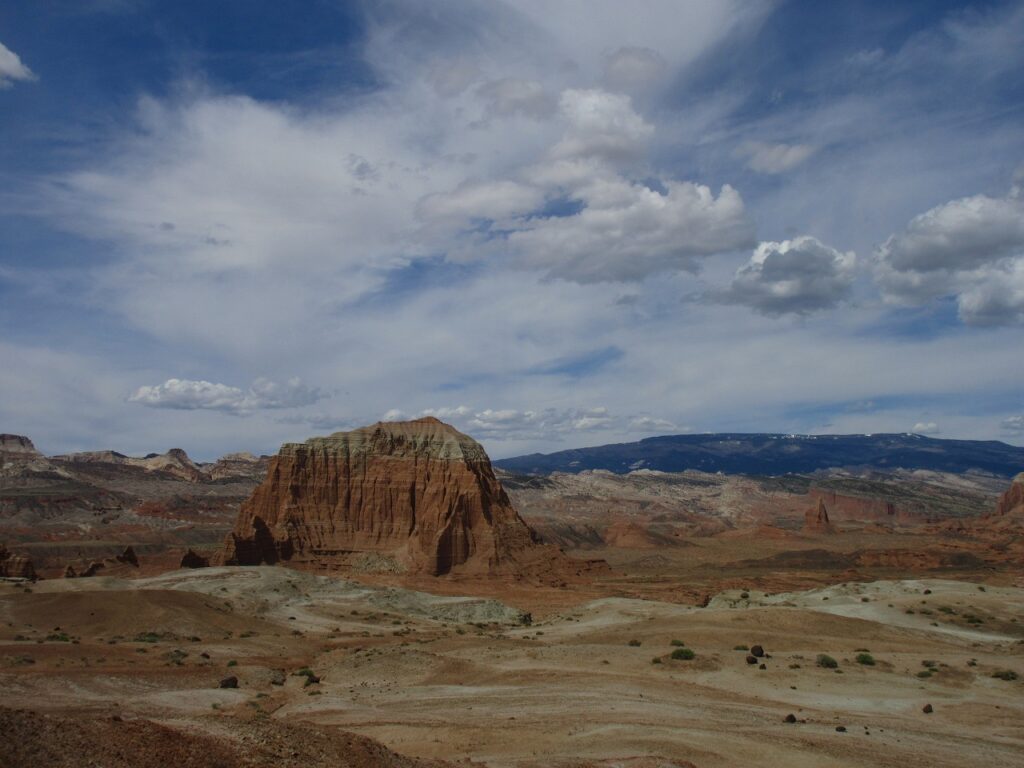
An island beside the Statue of Liberty, where I walk through exhibits on American immigration and stop in front of a display on discrimination against Japanese people during World War II.
Ellis Island lies beside Liberty Island in New York Harbor, and the Ellis Island Immigration Museum stands there. The site holds National Monument status in the United States. Because this place left such a strong impression on me, I decided to feature it as a special article on U.S. national parks. One small but interesting detail is that the address belongs to New Jersey, not New York.
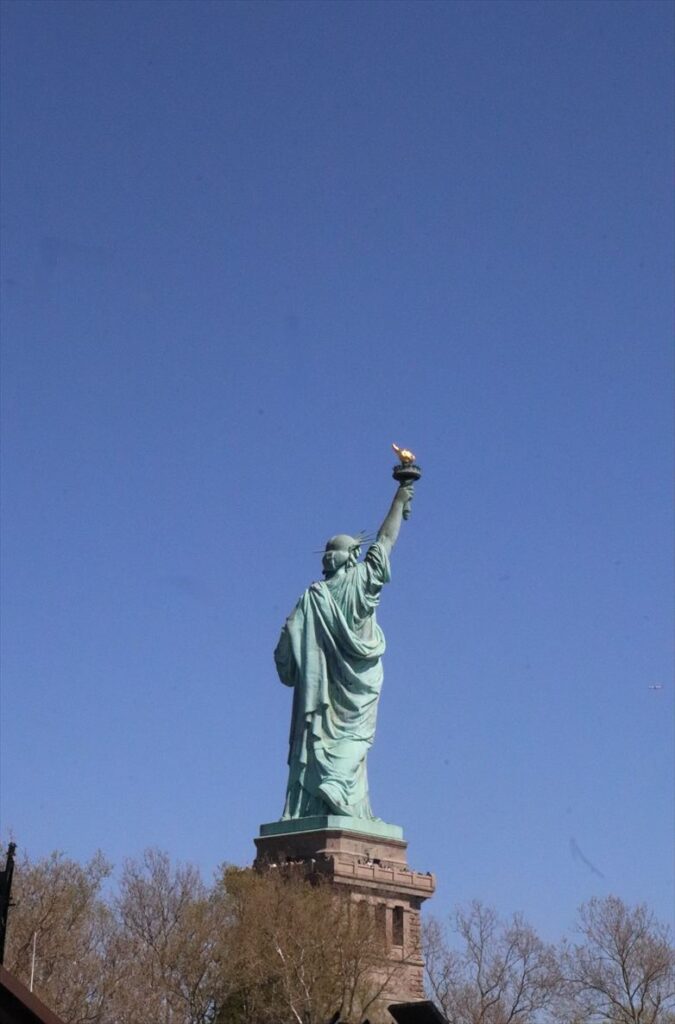
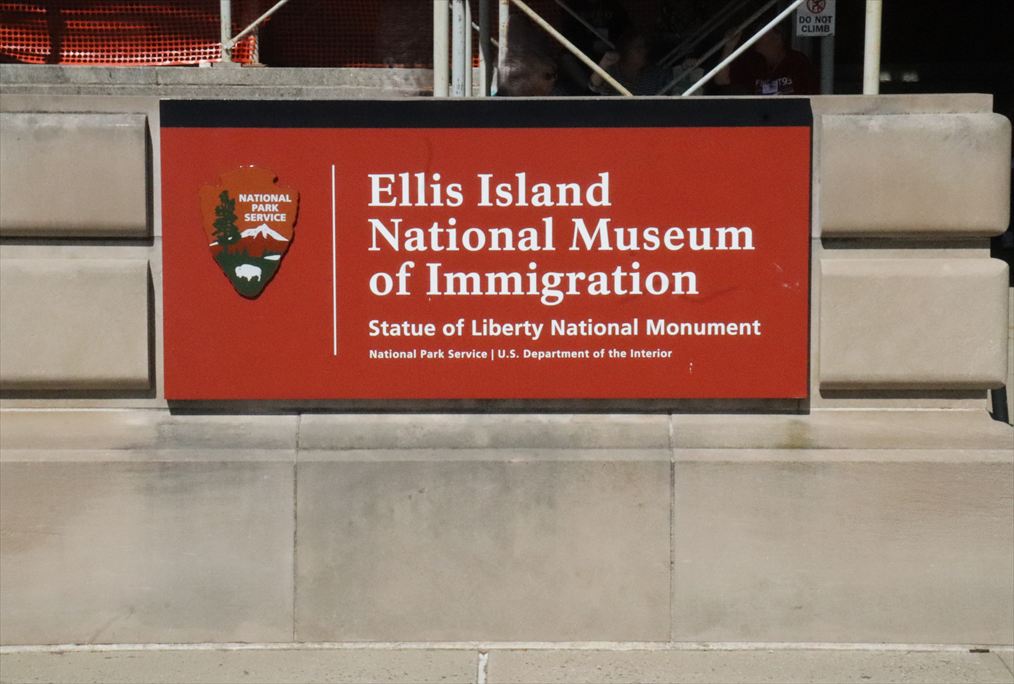
People often describe the United States as a nation built by immigrants, and Ellis Island clearly shows why. For many people, especially those who came from Europe, this island marked their first step into America. The immigration office once stood here and examined newcomers. In today’s terms, it served the same role as airport immigration does now.
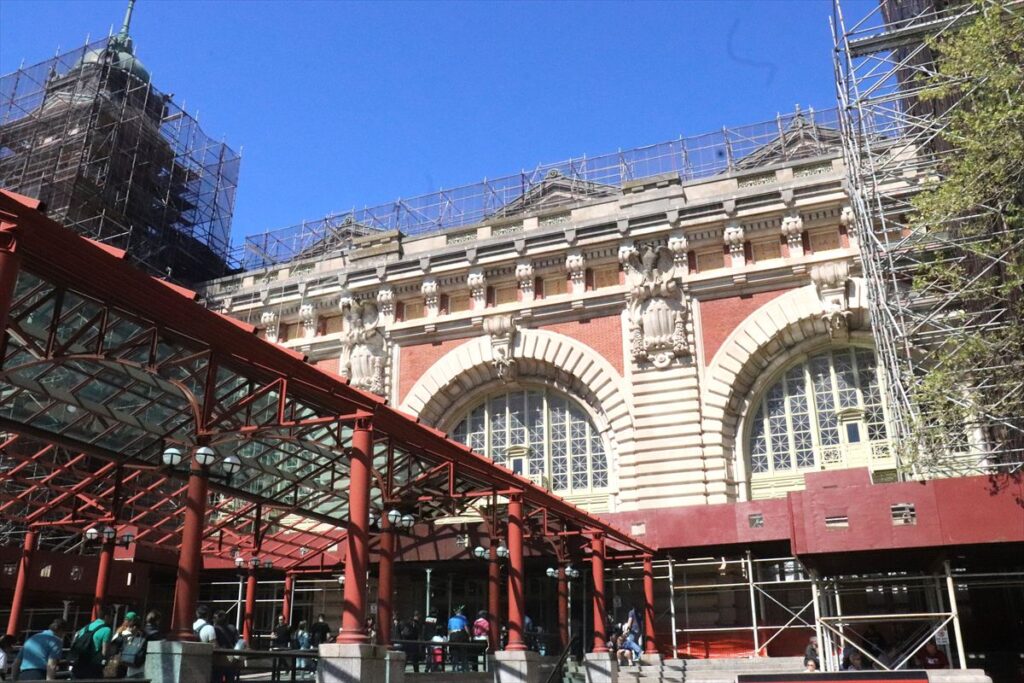
The immigration office on Ellis Island operated from 1892 to 1954. After many years of closure and restoration, it reopened in 1990 as the Ellis Island Immigration Museum.
To visit the island, it is necessary to take a ferry tour that also includes the Statue of Liberty. Ferries depart from Battery Park at the southern tip of Manhattan. The route circles Liberty Island and Ellis Island before returning. Visitors may get off on both islands, walk around, and then board a later ferry. Because boarding remains flexible, some people choose to stay on the boat and simply view the Statue of Liberty from the water without landing on either island.
The museum building itself feels powerful and historic. It uses large brick construction and has three floors. At the center lies a hall about 30 meters wide and 80 meters long, with exhibition areas stretching out on both sides. The central space on the second floor rises all the way to the third floor, and an American flag hangs high above it.
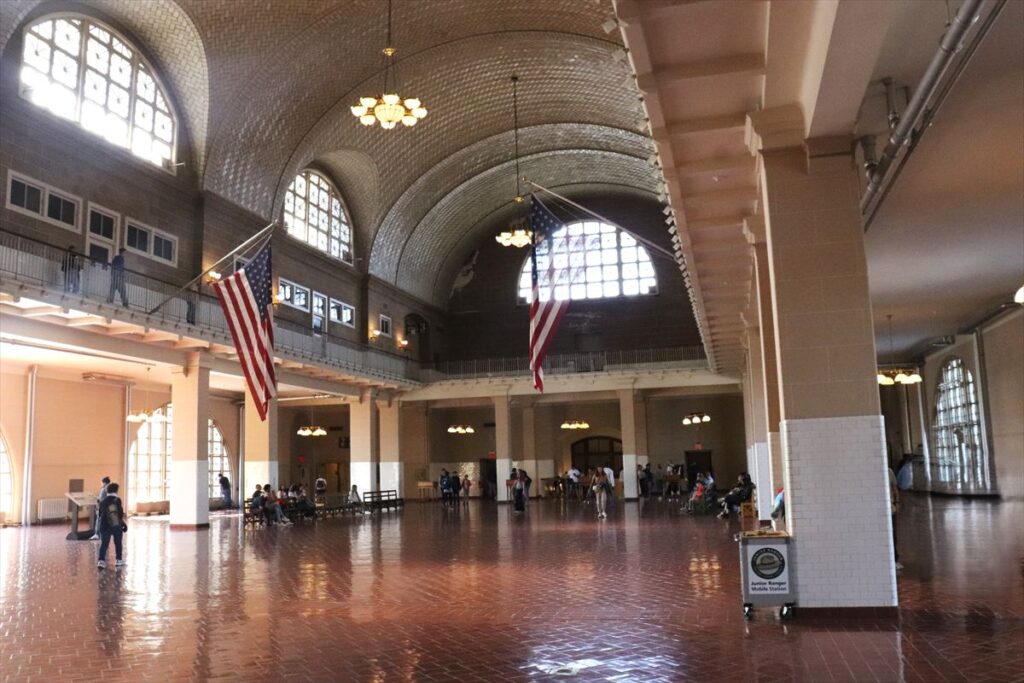
The exhibits themselves left the strongest impression on me. They explain the history of immigration in clear detail and show entry records, passports, and personal belongings that immigrants once carried. In particular, the exhibits on discrimination against Japanese people during World War II stand out. Each section encourages visitors to pause and reflect.
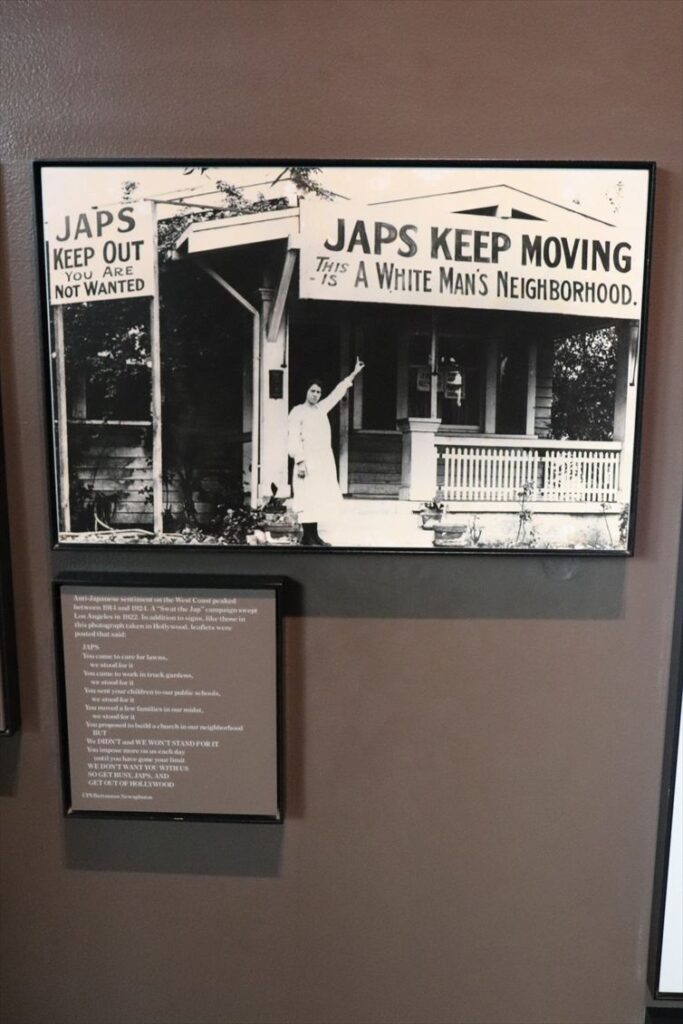
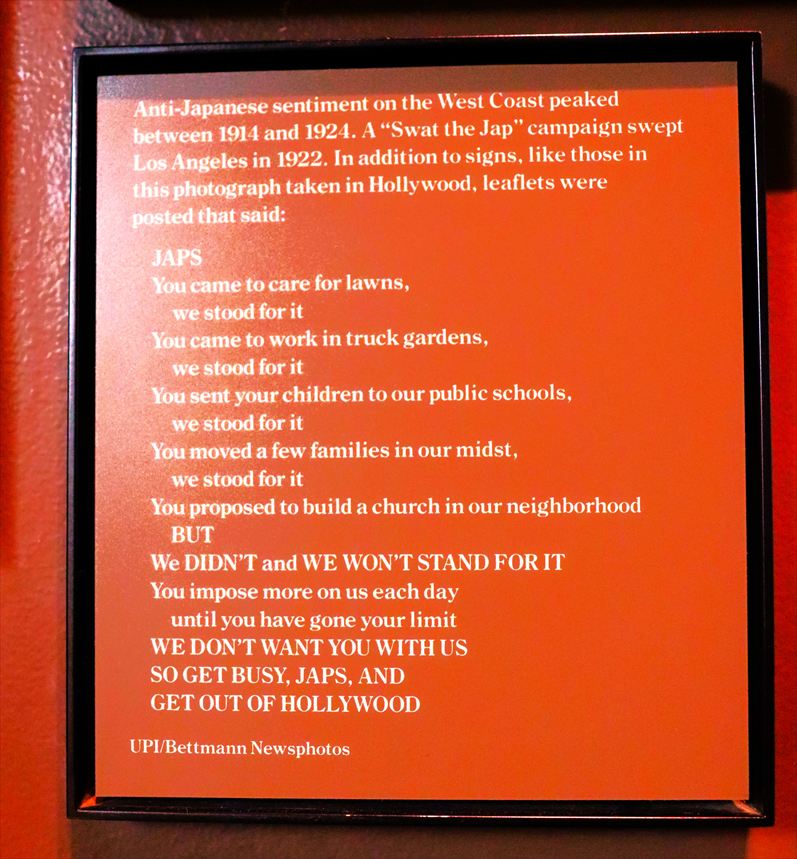
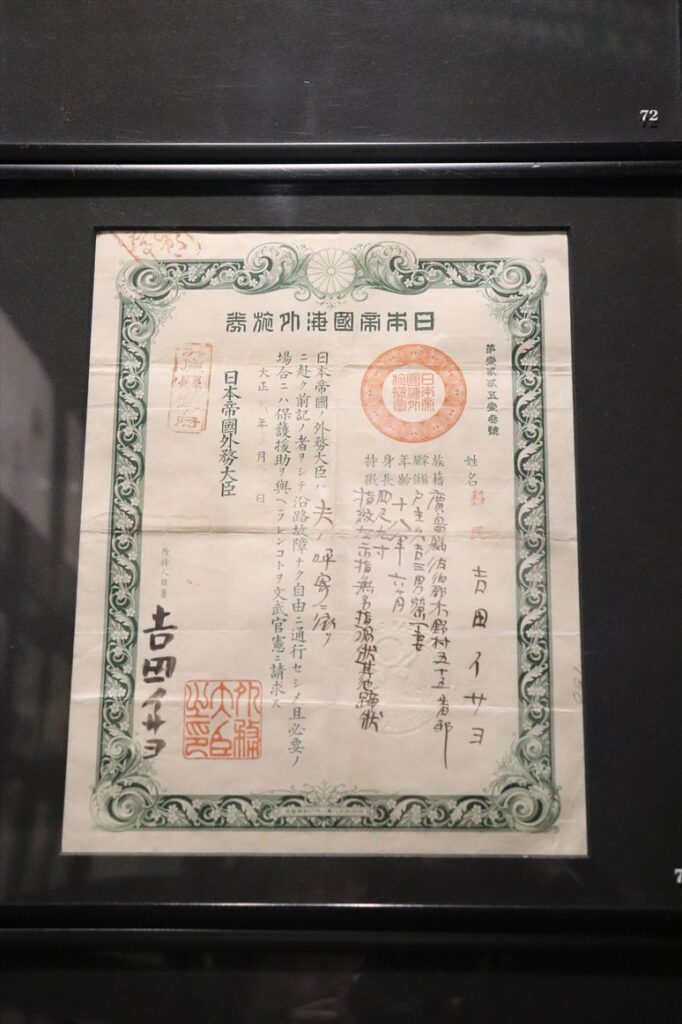
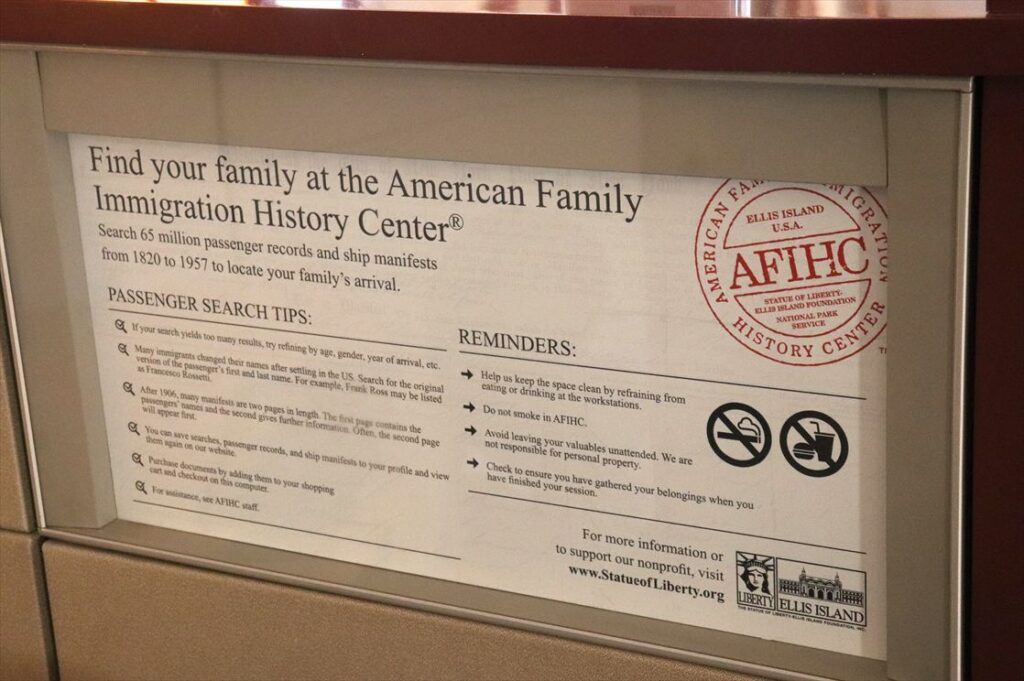
Inside the museum, visitors can also search a database of immigration records. About 40 percent of Americans trace their ancestors back to this immigration office. Watching people sit quietly at tables, type names into keyboards, and study the results on the screen gave me a vivid sense of how this country’s history continues to live on today.
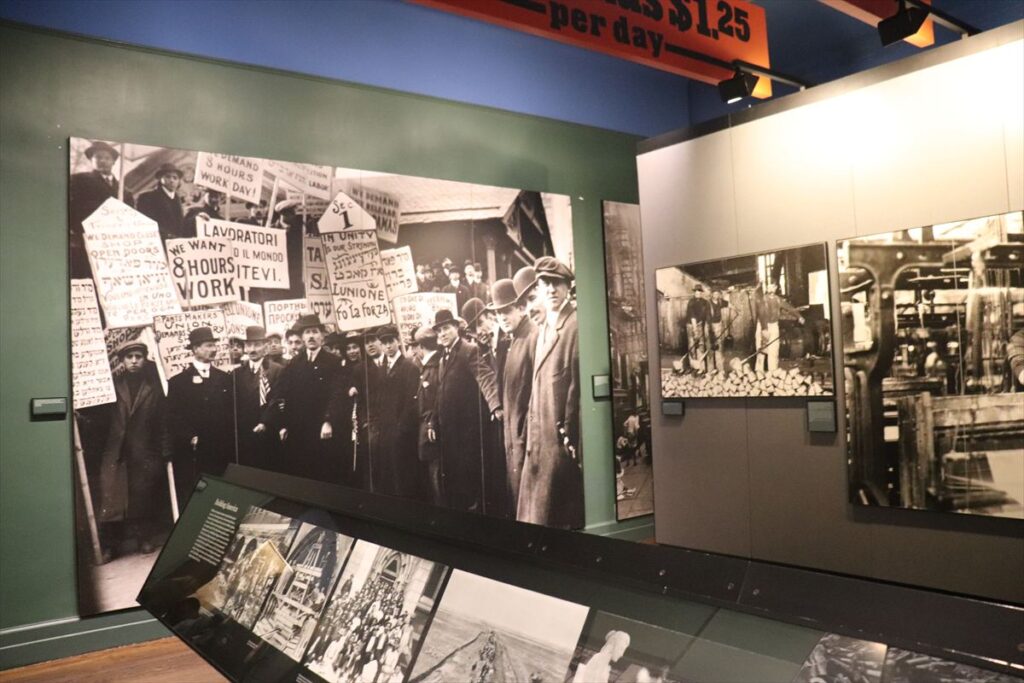
Many visitors study the exhibits with deep concentration. If you have an interest in history, you could easily spend half a day here without getting bored. I strongly recommend this museum to anyone who wants to understand the roots of American society. You will likely encounter something unexpected or find an exhibit that sparks new curiosity.
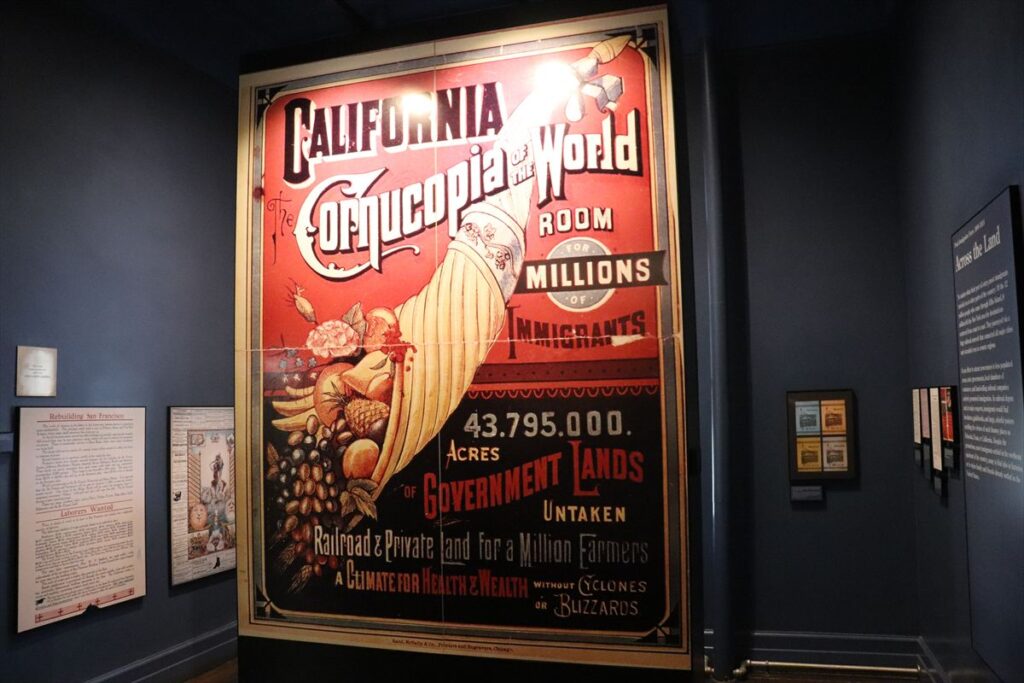
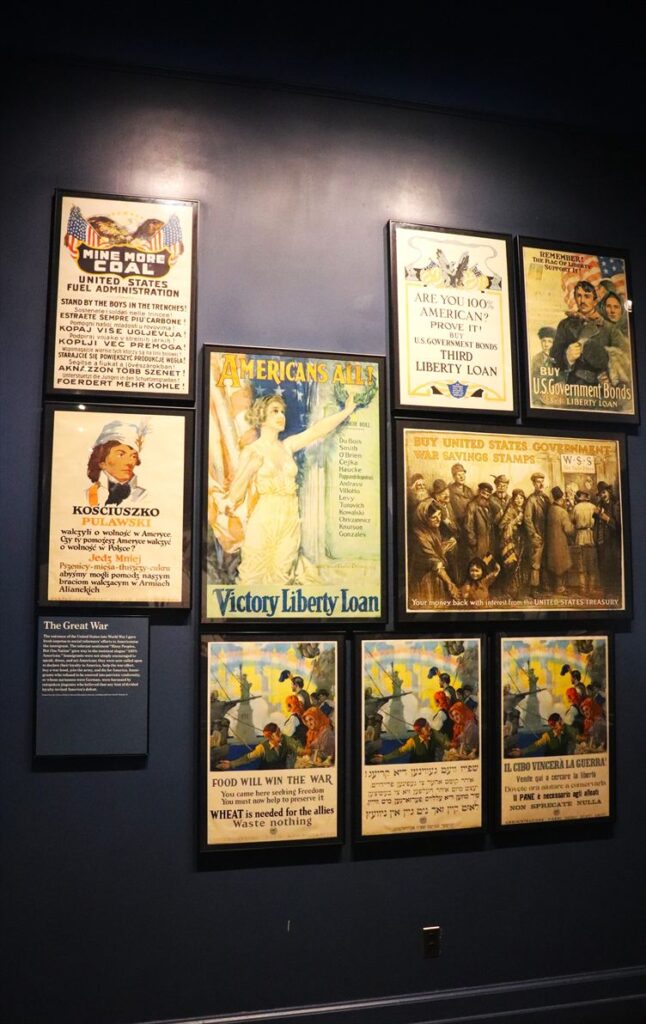
One practical limitation comes from the ferry schedule, which naturally restricts how much time you can spend on the islands. Taking an early ferry helps, but another option works just as well. You can skip Liberty Island and spend your time entirely on Ellis Island instead. It is worth considering this approach if your main interest lies in history rather than landmarks.
Visited in 1997 and 2025.
Basic Information
■ Name : Ellis Island Immigration Museum
■ Address : Ellis Is, Jersey City, NJ
■ Homepage : https://www.statueofliberty.org/ellis-island/overview-history/
■ Access / Others :
- You must book a ferry tour through the official website listed below. Many companies advertise similar tours, but this site offers the official service.
https://www.cityexperiences.com/new-york/city-cruises/statue/statue-liberty-and-ellis-island-tickets/ - Ferries often get crowded, so advance reservation and ticket purchase are essential.
- Near the boarding area, some people may approach visitors with unofficial tours. During my 2025 visit, someone stopped me near Battery Park and claimed that the ferry had been canceled for the day. That information was false.