Art museum in Kanagawa, set in a quiet residential area. As I spoke with the director, I felt pride and passion behind its founding in early contemporary art.
A contemporary art museum in Yokosuka, Kanagawa, located in the center of the Miura Peninsula. This private museum is about a 20-minute walk from Kinugasa Station on the JR Yokosuka Line. It opened in 1994, at a time when contemporary art had not yet gained widespread attention. In Tokyo, private museums from this early period include the Hara Museum of Contemporary Art, which opened in 1979 and closed in 2011, and the Watarium Museum of Contemporary Art, which opened in 1990. Together, these can be seen as museums from the dawn of contemporary art in Japan.
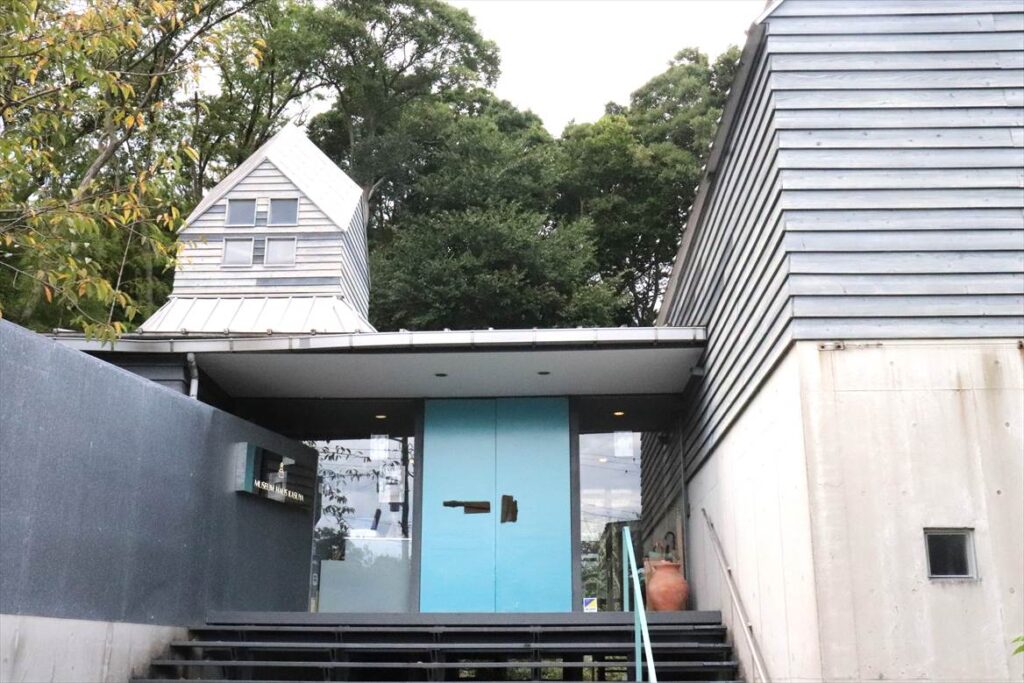
I had long been curious about this museum, and it held exhibitions that made me want to visit. However, its somewhat inconvenient location kept me from going. The area around it is an ordinary residential neighborhood. I turned off a two-lane road and walked uphill through the houses, starting to wonder whether a museum really exists there at all.
As I proceeded along a narrow street barely wide enough for a single car, the museum’s grounds came into view on the right. Even so, the building sits slightly back from the road, and without the sign at the gate, I missed it. In fact, I drove past the entrance and had to make a U-turn on the narrow road.
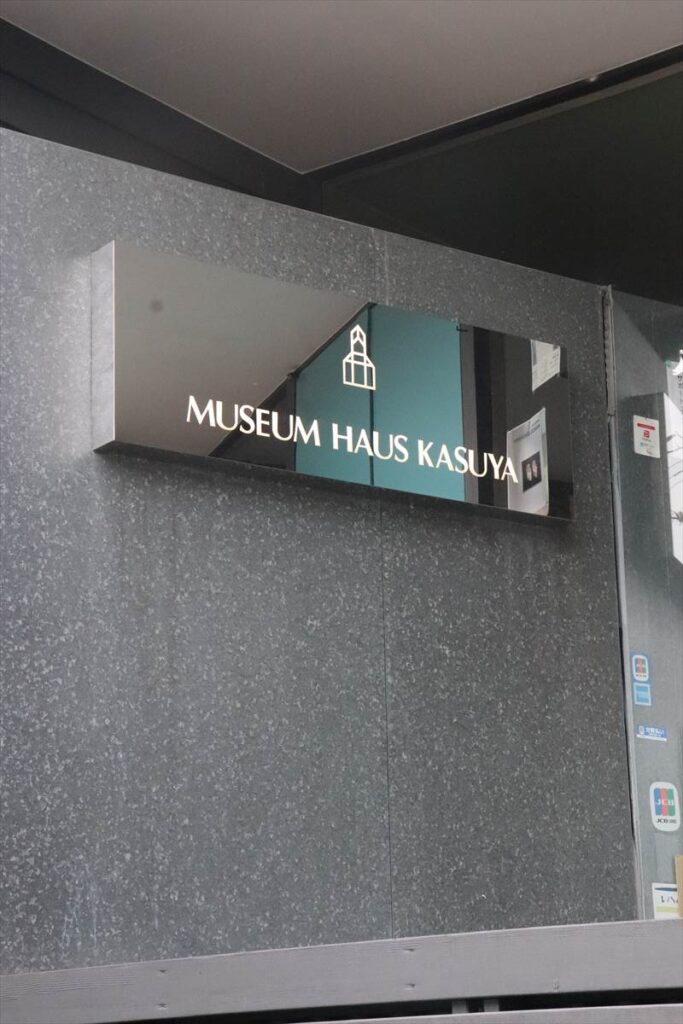
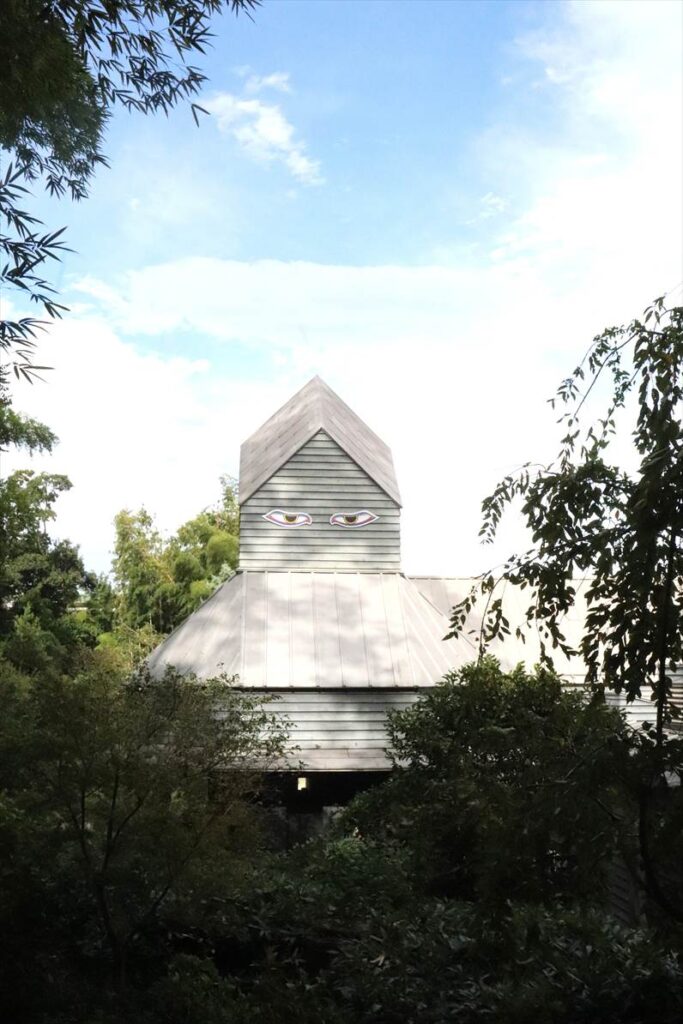
Upon entering the grounds, there is parking space for a few cars—about three—on the left. The main building stands directly ahead. At first glance, it could almost pass for a private house, but I can sense that someone with strong convictions and refined taste designed it. Inside the building, the reception desk is on the left. A staff member of the museum warmly welcomed me and explained the layout of the museum.
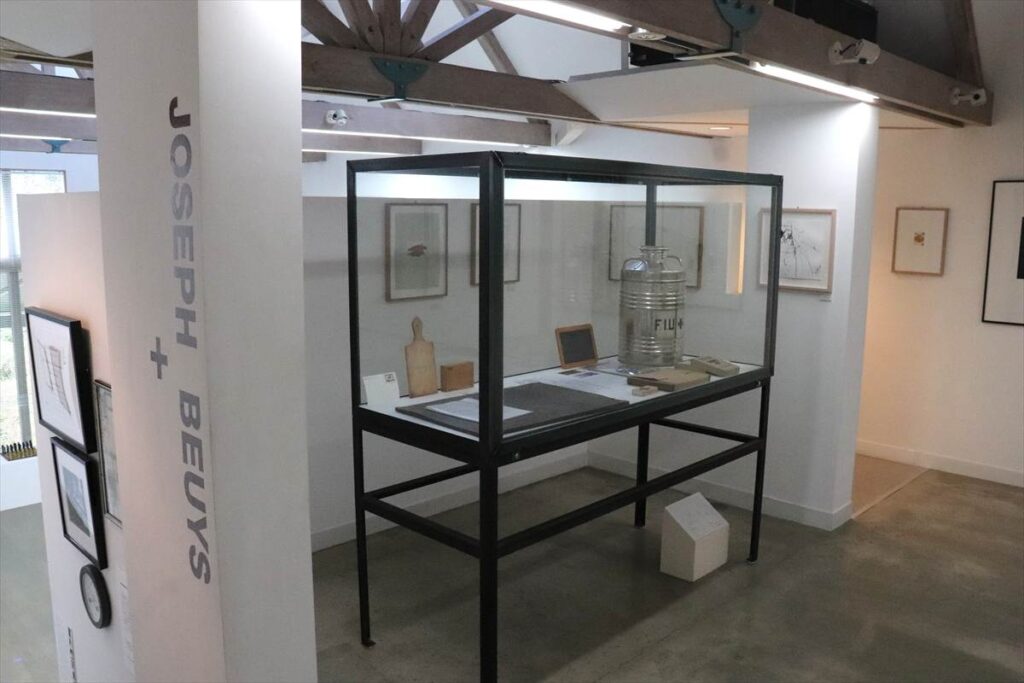
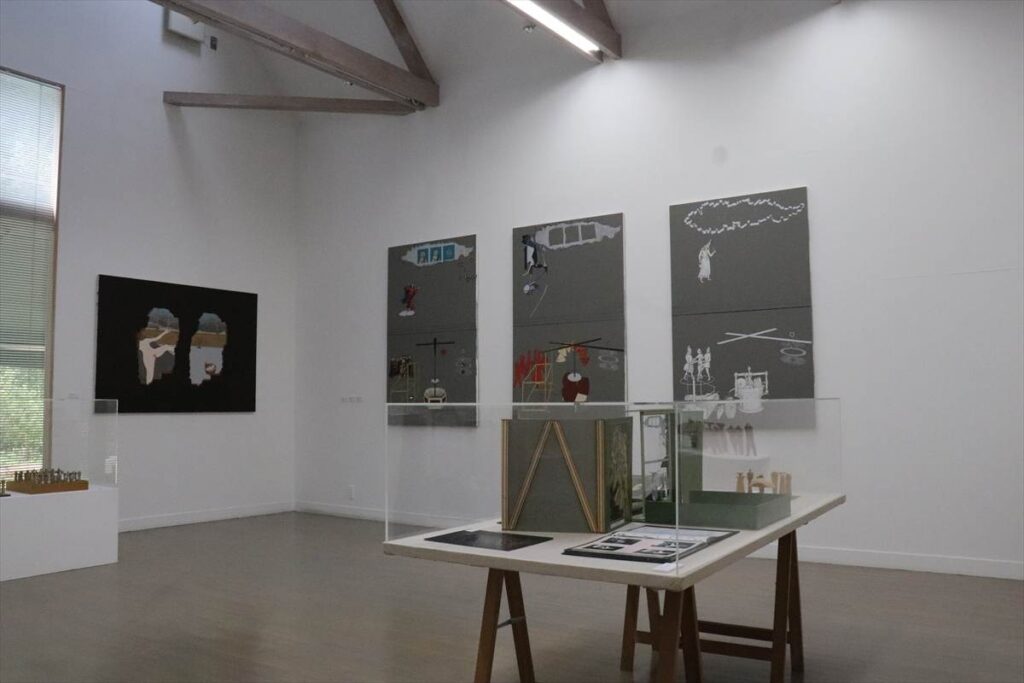
The exhibition rooms are arranged with Gallery 1 on the right and Gallery 2 on the left. Gallery 1 consists of two rooms, each about 20 square meters. When I first visited, the museum was holding an exhibition titled “Thinking about Marcel Duchamp”. He is famous for the “urinal,” a work often described as one of the starting points of contemporary art.
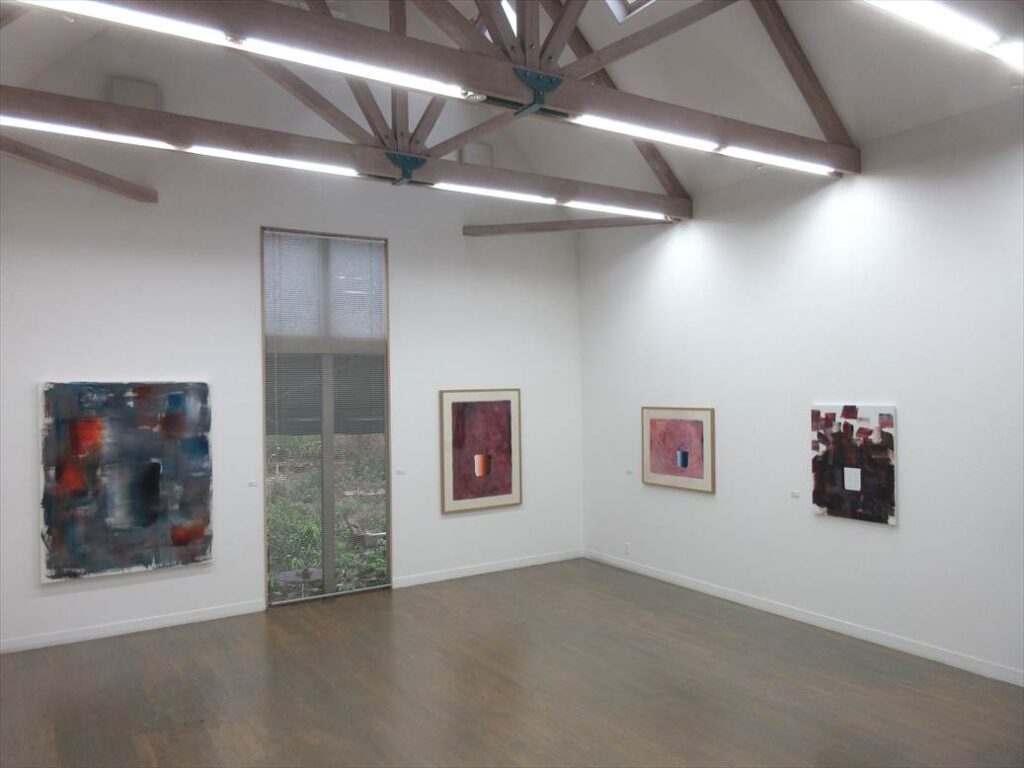
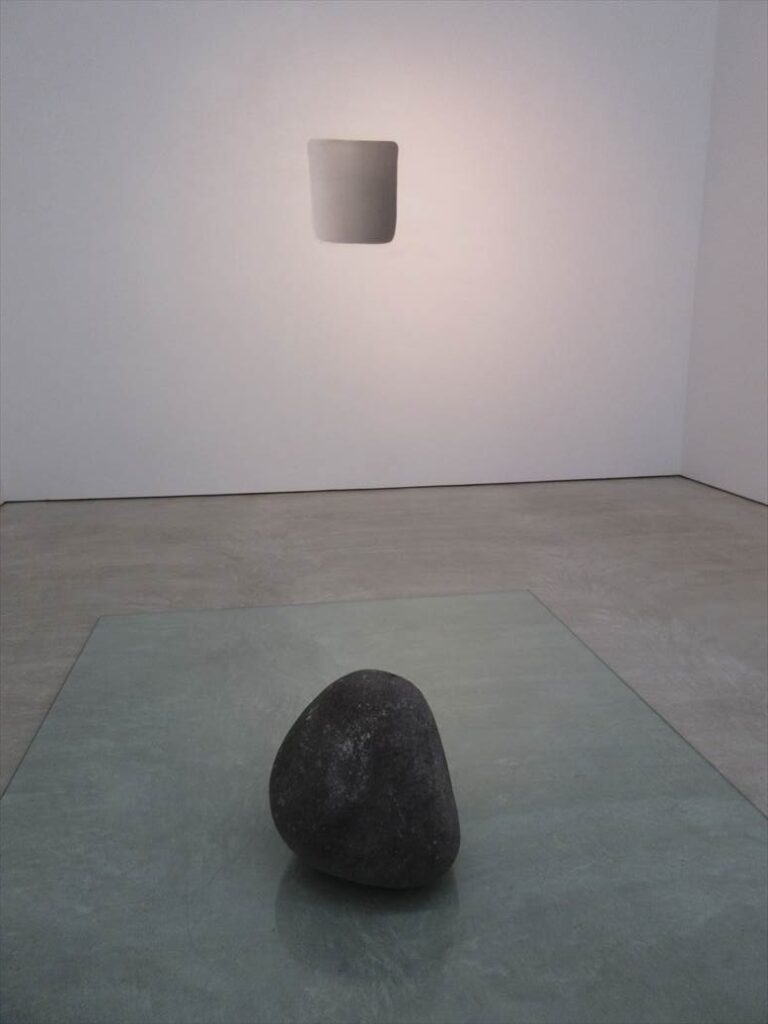
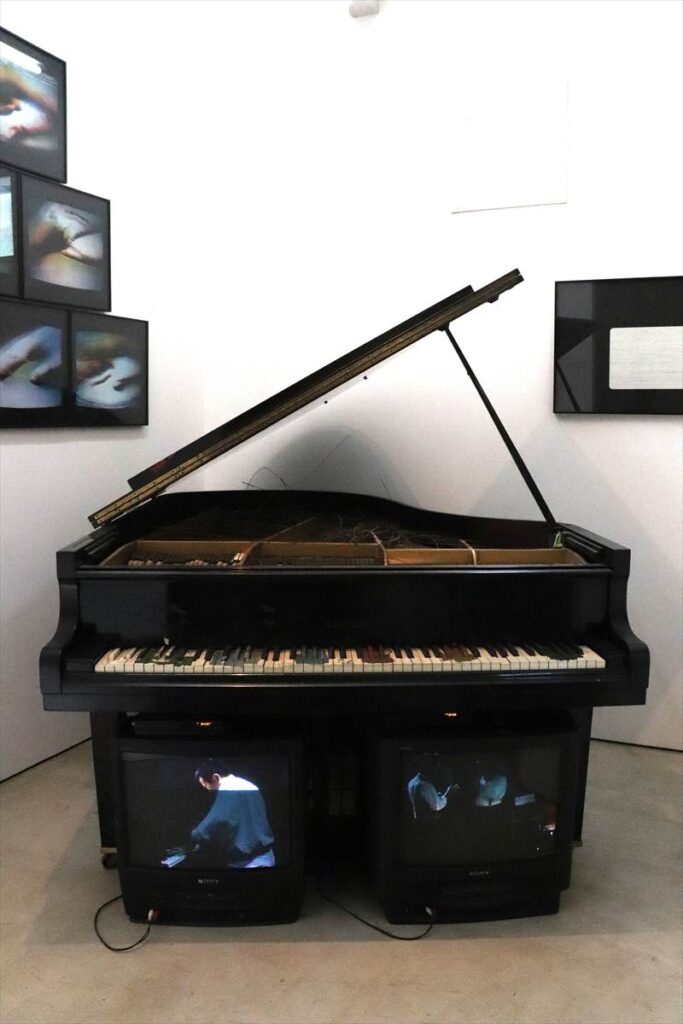
Stepping outside from the back center of the main building, I find two detached buildings on the right. In the room called Room 3, works by Lee Ufan and Nam June Paik line the space. A wall painting by Lee Ufan, gently lit, creates a calm and restful atmosphere. Above all, an empty gallery feels precious.
On my second visit, the exhibition Lee Ufan: “Playful Creation in In-between Time” took place. Room 3 displayed a stone and a painting of a ceramic piece, creating a space defined by stillness.
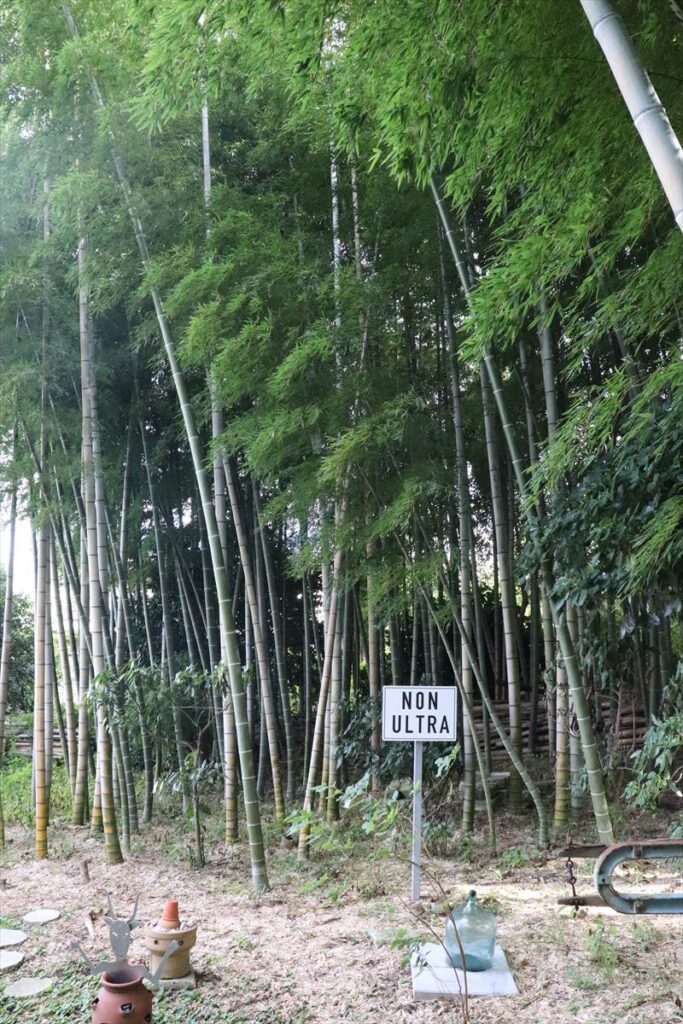
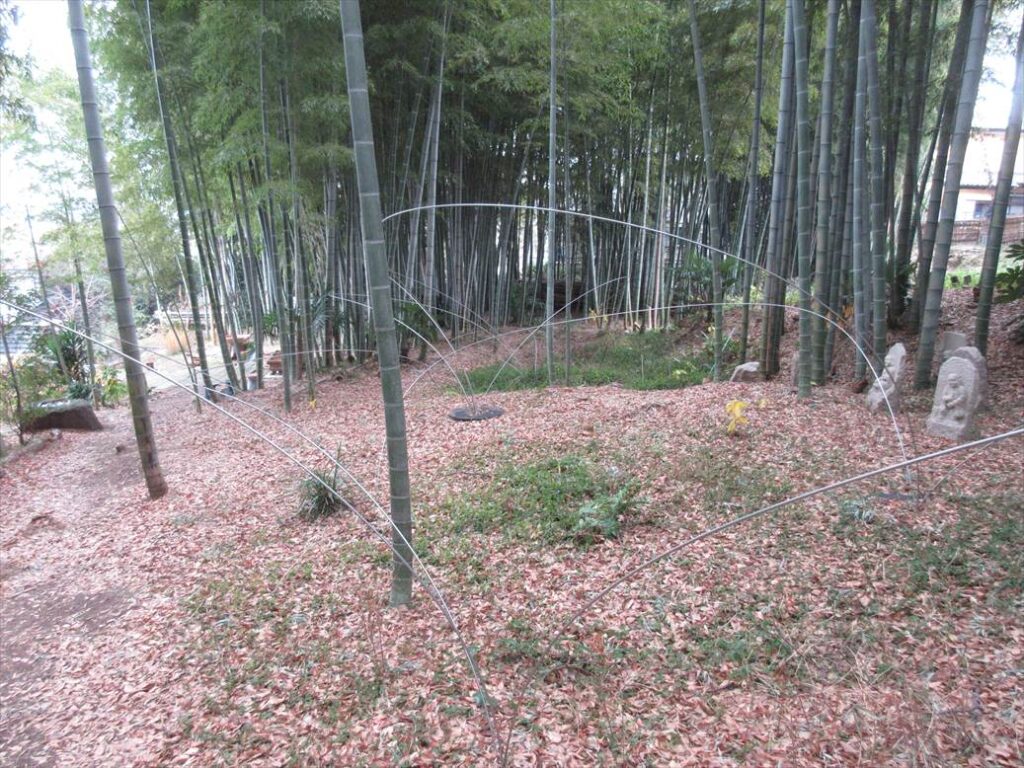
Behind the building, a bamboo grove spreads out, with objects arranged among the trees. According to the museum’s director, this site was originally a bamboo forest, and the director cleared it to build the museum. Creating such a space thirty years ago surely required extraordinary passion for art.
When I mentioned Lee Ufan, the director said that she knew him personally and that Lee had created the works in the Room 3 especially for this museum. Thirty years after its opening, the director still felt remarkably energetic.
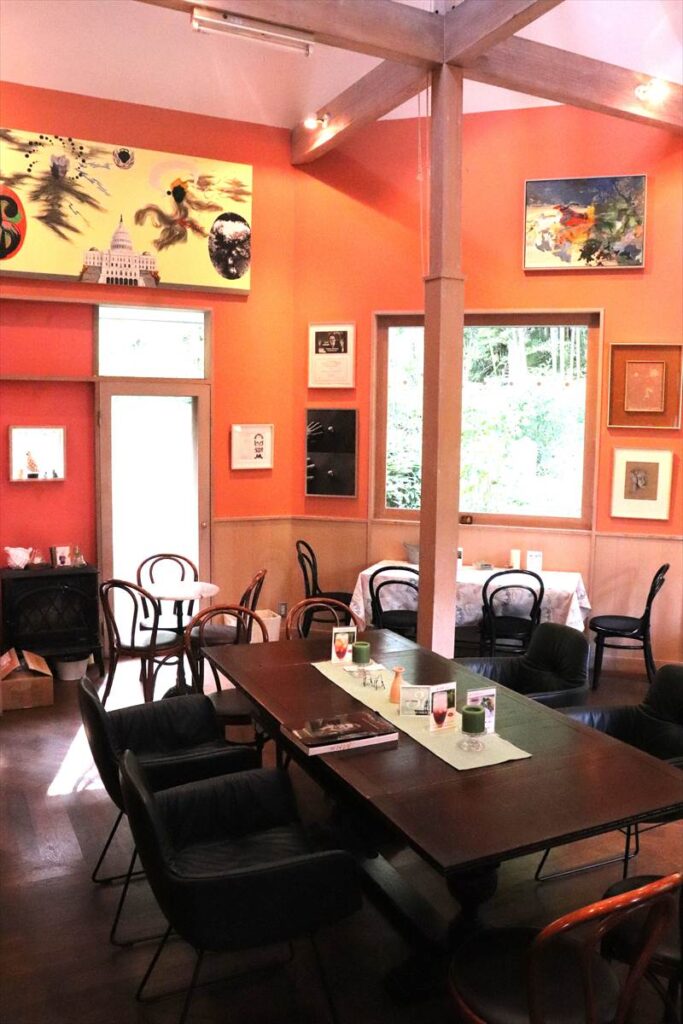
At the back of the entrance, the museum also has a café space. The high-ceilinged room, furnished with antique furniture, creates a calm and relaxing atmosphere. Visiting the museum just to unwind in this café would be reason enough.
Visiting this museum reminded me of a private museum I happened to discover in Iceland—the Safnasafnið Folk & Outsider Art Museum. Private museums often grow out of spaces that feel like extensions of private homes, which may explain their relaxed and welcoming atmosphere. I highly recommend making the effort to travel a little farther to visit this place.
On both of my visits, the director, Haruko Wakae, was there and took the time to speak with me. The opportunity to talk directly with a museum director is extremely rare. As someone who knows the early days of contemporary art firsthand, she offers insights that few others can share.
Visited in 2024 (twice).
Basic Information
■ Name : Museum Haus Kasuya
■ Address : 7-12-13, Hirasaku Yokosuka-city Kanagawa
■ Homepage : https://www.museum-haus-kasuya.com/
■ Others
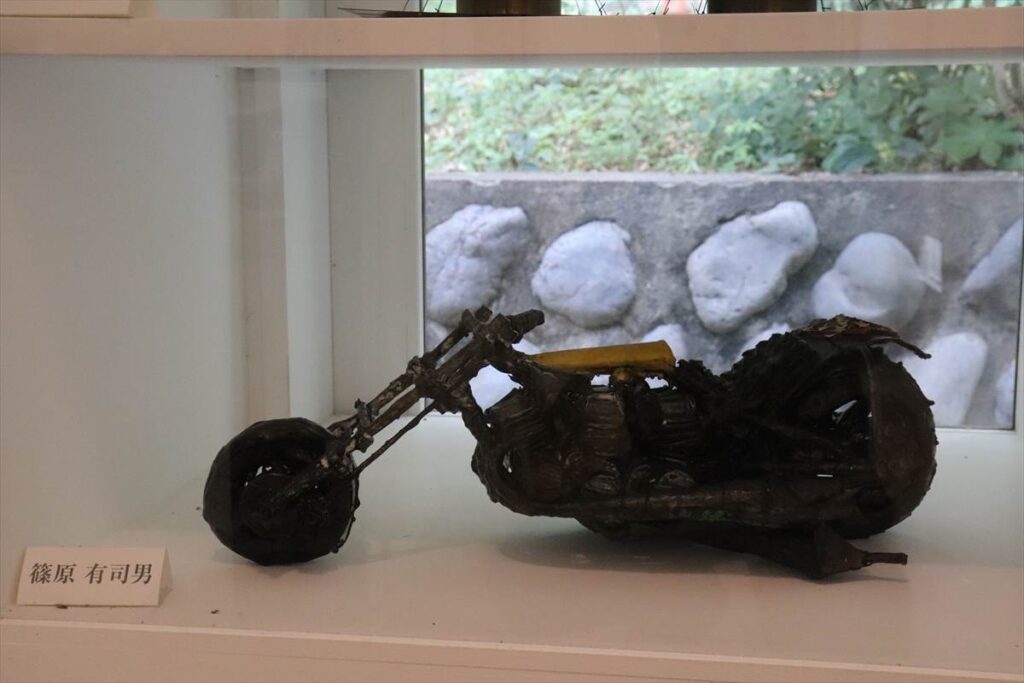
The exhibition included a work by Ushio Shinohara.